
The Most Expensive City in Every State
Deciding which place to plant roots impacts your entire financial planning picture: your job earnings and employment opportunities, whether you can afford buying a home and what you’ll pay for necessities like groceries, healthcare, transportation and utilities.
Trending Now: I’m a Self-Made Millionaire, but I Still Opt for the Budget Versions of These 6 Items
Be Aware: Owe Money to the IRS? Most People Don’t Realize They Should Do This One Thing
It also impacts your future, your goals and your lifestyle. Are there colleges in town for yourself or your kids? How about recreation? How much time will you spend commuting?
24/7 Wall St. looked at the cost of living across the country and other data to determine the most expensive city to live in every state. The results showed that in some locales, the cost of living exceeds the national average. But, surprisingly, the amount it will take to live in the most expensive metro area in 29 states falls below the average cost of living, per the study.
GOBankingRates added information from the U.S. Census Bureau, Zillow, Data USA and more to add some interesting facts about life in these 50 metropolitan areas.
Take a look at the priciest place to live in each state:
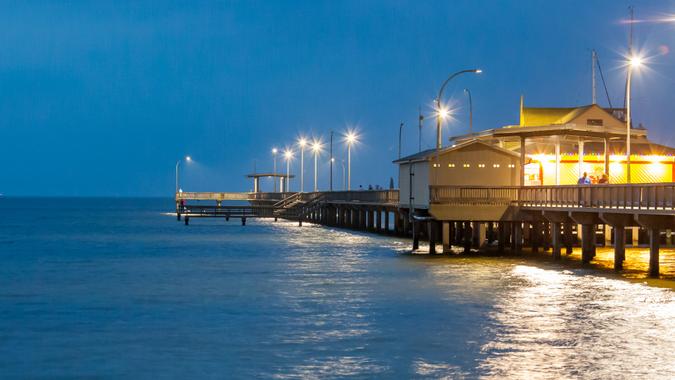
Alabama: Daphne-Fairhope-Foley
- Cost of living: 3.1% less expensive than national average
This metro area is bustling, with about 104,000 people employed. While most jobs are in the retail and healthcare/social assistance sectors, the highest-paying industries are mining, quarrying and oil and gas extraction at nearly $74,000 yearly.
For You: 6 Valuable Everyday Items You Should Never Throw Away
Read Next: How To Get $340 Per Year in Cash Back on Gas and Other Things You Already Buy
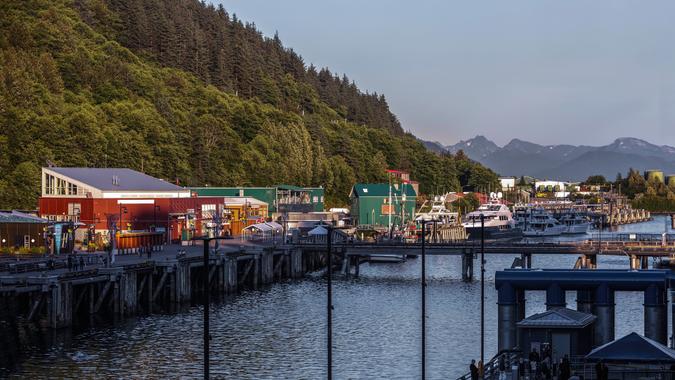
Alaska: Anchorage
- Cost of living: 4.3% more expensive than national average
A high-paying job is helpful in pricey Alaska. Mining, quarrying and oil and gas extraction are the top-earning sectors in Anchorage, too, at about $136,000 a year – not quite double the earnings in Alabama.
Explore More: 5 Unnecessary Bills You Should Stop Paying in 2024
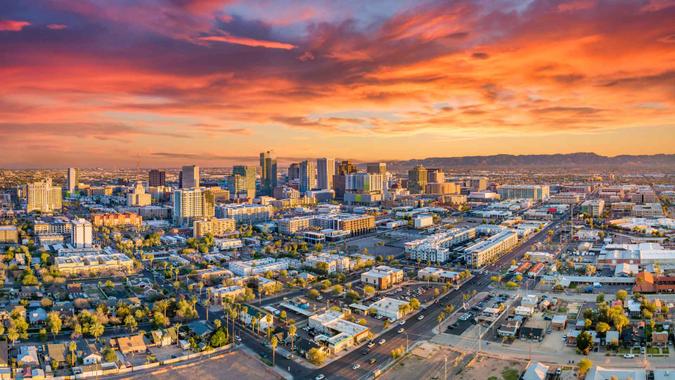
Arizona: Phoenix-Mesa-Chandler
- Cost of living: 2.6% more expensive than national average
Despite a higher-than-average cost of living, the Phoenix-Mesa-Chandler area continues to draw new residents. According to data from the U.S. Census Bureau, Maricopa County had the most growth of any county in the nation in 2022, adding 56,831 residents.
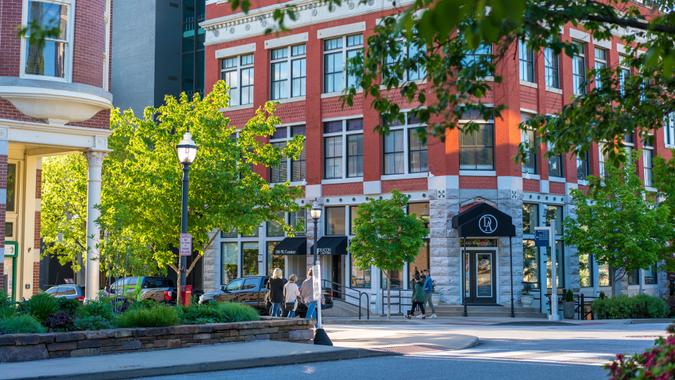
Arkansas: Fayetteville-Springdale-Rogers
- Cost of living: 6.7% less expensive than national average
People seeking to resettle also find the Fayetteville-Springdale-Rogers area attractive. Between 2020 and 2021, the metro area’s population grew by 2.27%. Median household income grew event more – 7.78%.
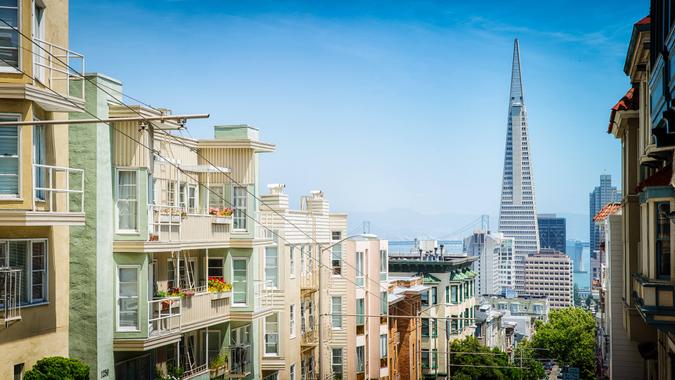
California: San Francisco-Oakland-Berkeley
- Cost of living: 17.4% more expensive than national average
The Bay Area remains cost-prohibitive for many households, but it has held on to its trademark diversity. Nearly 42% of the area residents speak a language other than English at home – twice the overall U.S. rate.
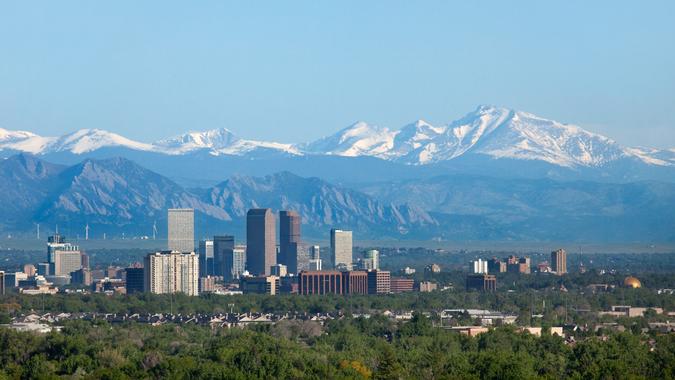
Colorado: Denver-Aurora-Lakewood
- Cost of living: 7.3% more expensive than national average
Colleges in the Denver metro area pump thousands of new graduates into the workforce every year. Most diplomas are in general business administration and management, registered nursing and public health nursing.
Explore More: 7 Appliances Frugal Homeowners Steer Clear Of
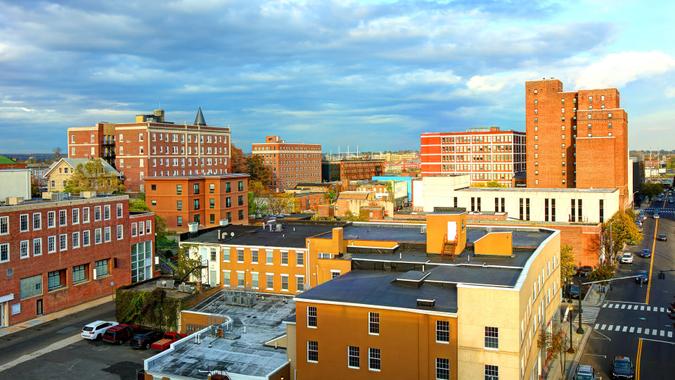
Connecticut: Bridgeport-Stamford-Norwalk
- Cost of living: 5.6% more expensive than national average
The Bridgeport-Stamford-Norwalk area provides an alternative residence for people who work in New York City but don’t want to pay sky-high housing prices. The cost of living in the New York City metro area is 15.5% higher than the national average – about 10% higher than in these Connecticut communities.
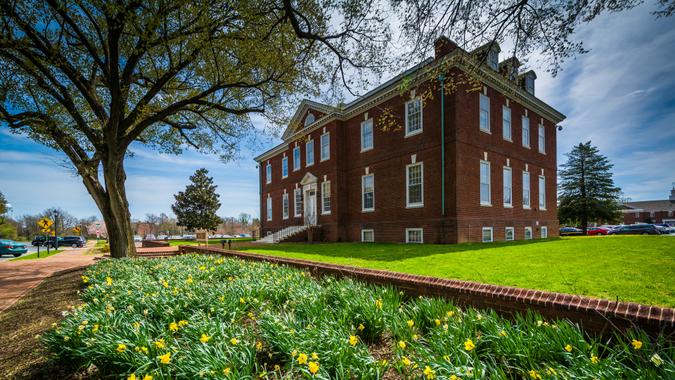
Delaware: Dover
- Cost of living: 5.1% less expensive than national average
It costs about 5% less than the national average to live in Dover, the capital of Delaware. If you work in utilities, you’ll have one of the highest-paid jobs in the state at an average of about $100,000.
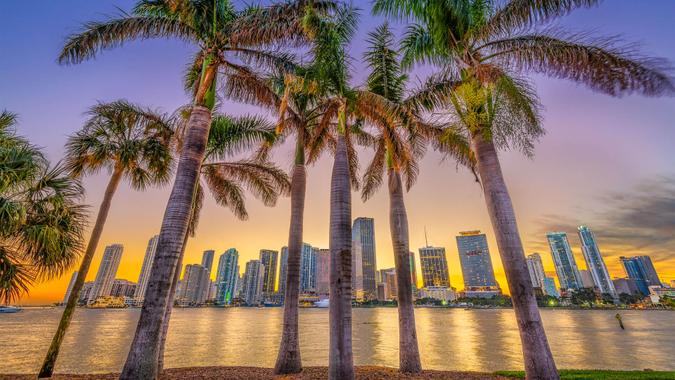
Florida: Miami-Fort Lauderdale-Pompano Beach
- Cost of living: 10% more expensive than national average
The average price of a home in Miami is around $570,000. Homes cost about $534,000 in Fort Lauderdale and $363,000 in Pompano Beach. Each is up at least 4% from last year, per Zillow.
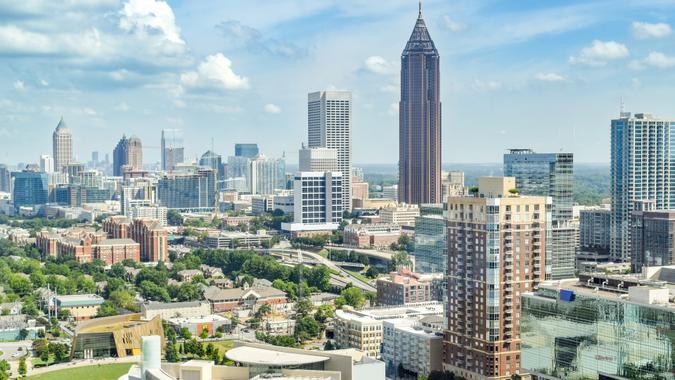
Georgia: Atlanta-Sandy Springs-Alpharetta
- Cost of living: 1.8% less expensive than national average
The Atlanta metro area, which includes Sandy Springs and Alpharetta, has a population of 6.22 million, which makes it the eighth-largest in the U.S. That ranks it just above Miami-Fort Lauderdale-Pompano Beach in terms of population, Statista reports.
Check Out: Nearly Half of Americans Struggle To Pay Their Utility Bills: 5 Ways To Save

Hawaii: Urban Honolulu
- Cost of living: 13.8% more expensive than national average
Hawaii continues to attract foreign-born residents, despite the high cost of living. In 2021, the highest number of state residents from other nations came from the Philippines, followed by Japan and China.
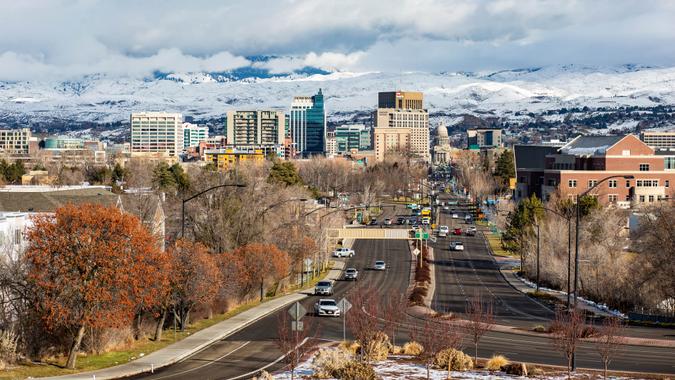
Idaho: Boise
- Cost of living: 6.5% less expensive than national average
The cost of owning a home in Boise is falling, even though the average price is $468,000. That’s down 4.8% from a year ago, per Zillow.
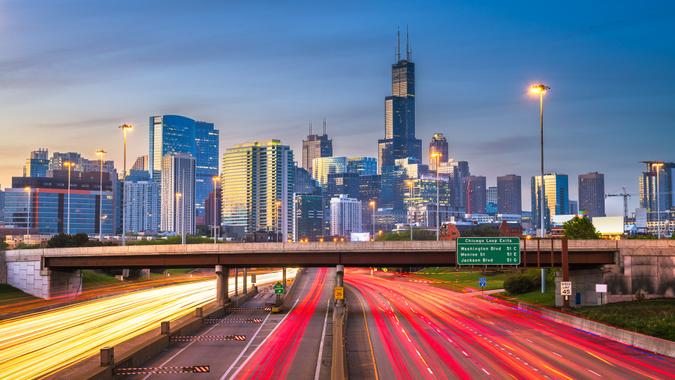
Illinois: Chicago-Naperville-Elgin
- Cost of living: 4.8% more expensive than national average
Workers living in this metro area have a longer commute time (31.3 minutes) than the typical worker in the United States (26.8 minutes). What’s worse? A little more than 3% of the area’s workforce have commutes longer than 90 minutes.
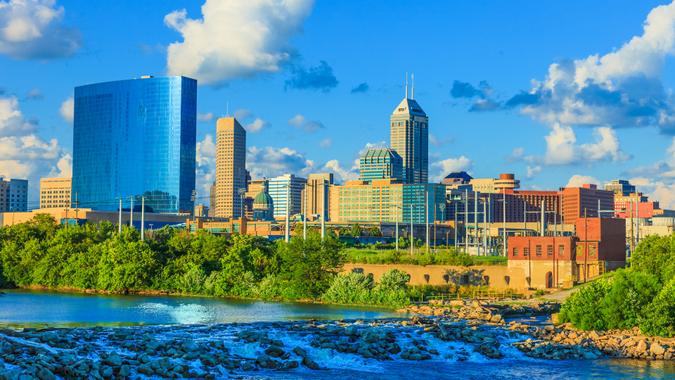
Indiana: Indianapolis-Carmel-Anderson
- Cost of living: 5.3% less expensive than national average
The Indianapolis-Carmel-Anderson metro area has a workforce that is 1.05 million strong. You’ll find the most employees — more than 150,000 — in the healthcare/social assistance category, followed by manufacturing (about 128,000).
Read Next: I’m a Frugal Shopper: 4 Items I Always Buy Secondhand To Save Money
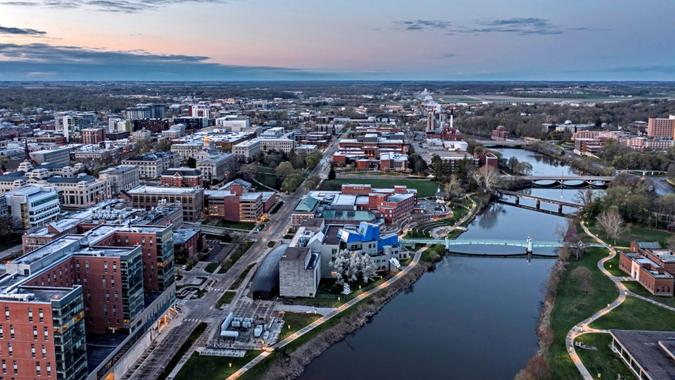
Iowa: Iowa City
- Cost of living: 4.7% less expensive than national average
If you want to live in a walk-to-work city, check out Iowa City. In 2021, 14% of the city’s workforce got to their jobs on foot.
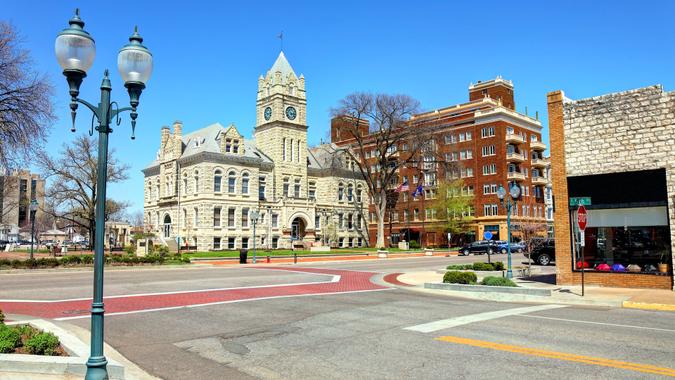
Kansas: Manhattan
- Cost of living: 6.2% less expensive than national average
Manhattan is the home of Kansas State University, which awarded 6,030 degrees in 2021. The most popular majors of students attending college in Manhattan are elementary education and teaching, followed by general marketing and marketing management and then general animal sciences.
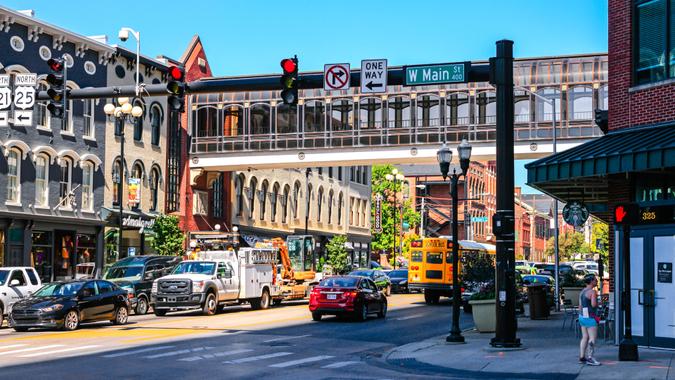
Kentucky: Lexington-Fayette
- Cost of living: 6.8% less expensive than national average
Lexington is another area where the highest-paying job is the mining, quarrying and oil and gas extraction – workers make an average of $115,909.
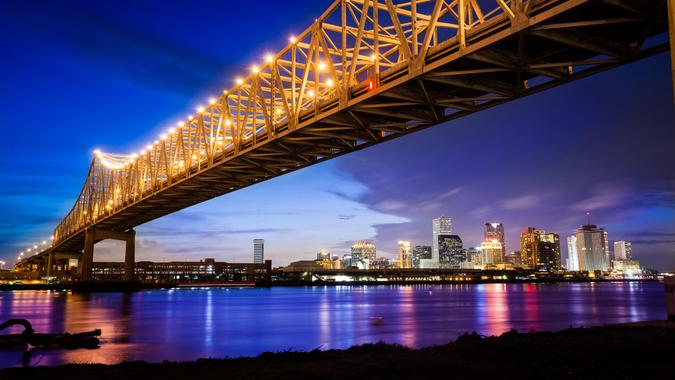
Louisiana: New Orleans-Metairie
- Cost of living: 3.1% less expensive than national average
With Louisiana’s long history in energy production, it’s no surprise that the biggest exports coming from the state are gasoline, (unclassified) coal products and fuel oils.
Learn More: 5 Frugal Habits of Mark Cuban
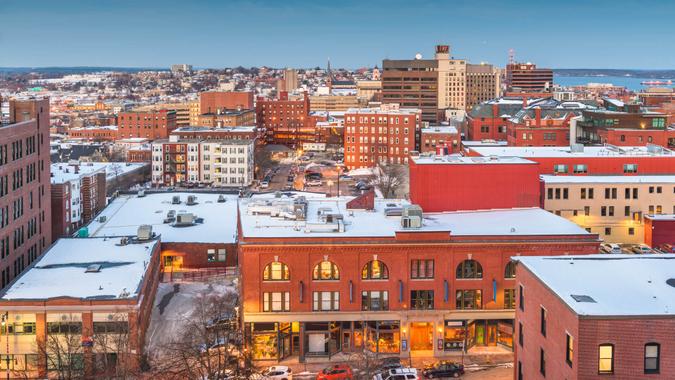
Maine: Portland-South Portland
- Cost of living: 0.3% more expensive than national average
Maine shares a border with Canada, and many Canadians have moved south to the Portland area and the rest of the state. In 2021, about 9,400 of the state’s residents were born in Canada.
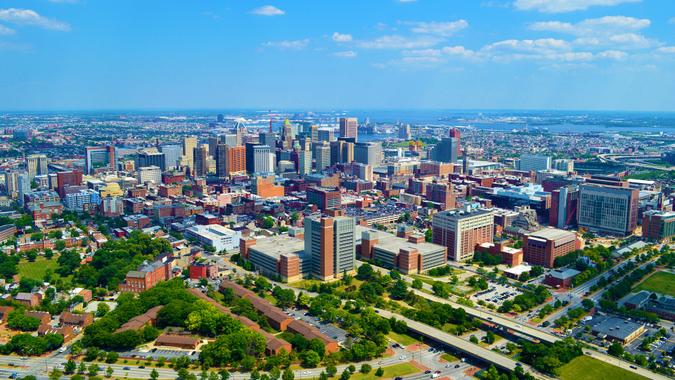
Maryland: Baltimore-Columbia-Towson
- Cost of living: 5.4% more expensive than national average
Between 2020 and 2021, the population of Baltimore-Columbia-Towson grew to 2.84 million, up 1.31%, and its median household income grew from $87,513, a 4.42% increase.
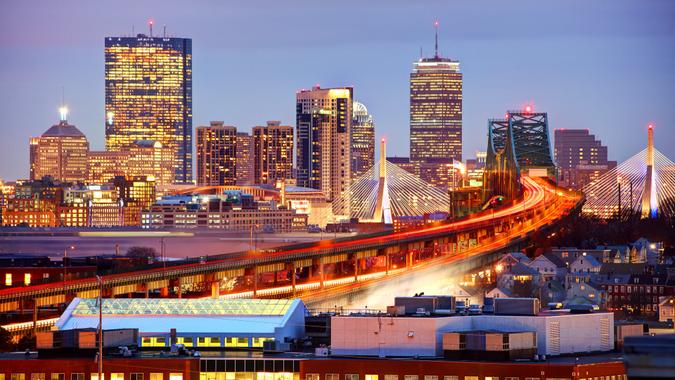
Massachusetts: Boston-Cambridge-Newton
- Cost of living: 10.2% more expensive than national average
The Boston area is home to several prominent colleges and universities, including Harvard, which is in Cambridge. Among residents of the Boston-Cambridge-Newton area, 51.4% have a bachelor’s degree or higher, about 1.4 times the average U.S. rate.
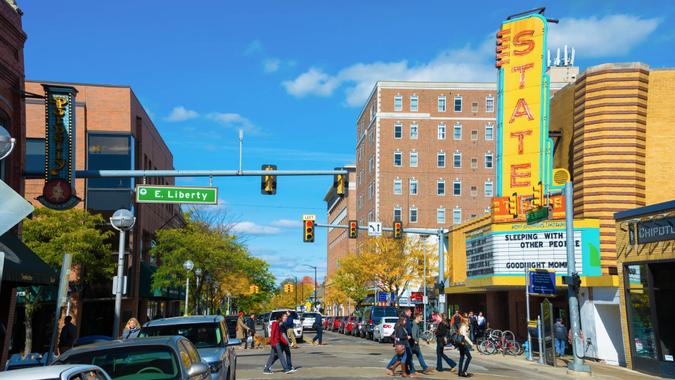
Michigan: Ann Arbor
- Cost of living: 1% less expensive than national average
Ann Arbor is another college town, home to the University of Michigan. In 2021, the university awarded nearly 16,000 degrees, giving employers in the state a new batch of potential workforce members.
Learn More: 10 Things Frugal People Always Buy at Yard Sales To Save Money
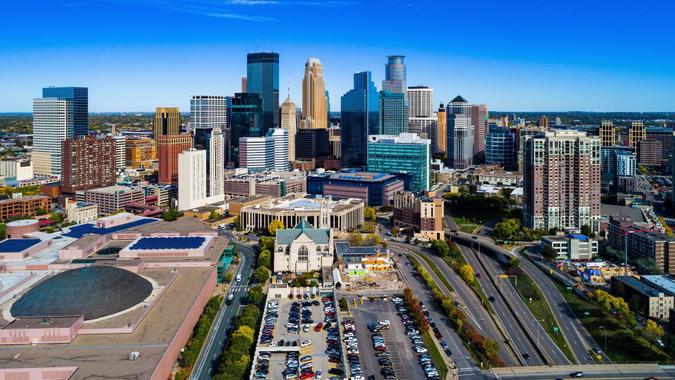
Minnesota: Minneapolis-St. Paul-Bloomington
- Cost of living: 3.2% more expensive than national average
Healthcare/social assistance leads the way when it comes to jobs in the Minneapolis-St. Paul-Bloomington area with nearly 300,000 positions. It’s fitting, therefore, that about 4,900 registered nursing degrees were awarded in the area in 2021.
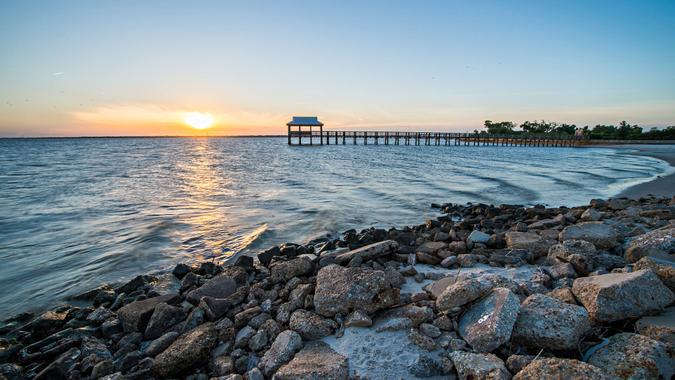
Mississippi: Gulfport-Biloxi
- Cost of living: 9.2% less expensive than national average
The average Gulfport home is valued at about $191,000, according to Zillow, an increase of 3.2% over the past year.

Missouri: St. Louis
- Cost of living: 4.3% less expensive than national average
Forbes included three companies with headquarters in the St. Louis area on its 2023 list of the 100 best large employers in the nation – Edward Jones, Washington University and BJC Healthcare. Combined, they have about 90,000 employees.
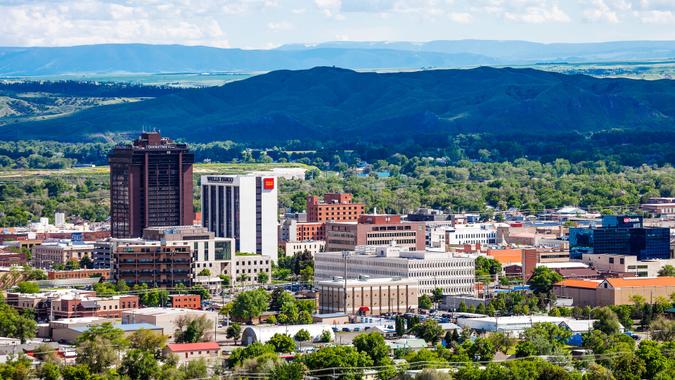
Montana: Billings
- Cost of living: 6.3% less expensive than national average
Like Maine, Montana is nestled along the Canadian border. About 3,400 Canadian-born people call Montana home.
For You: Mark Cuban Reveals Why He Keeps a Strict Budget Everyday

Nebraska: Omaha-Council Bluffs
- Cost of living: 4.7% less expensive than national average
The Omaha-Council Bluffs area also spans part of Iowa. The two states exported $46.6 billion worth of meat and seafood in 2020.
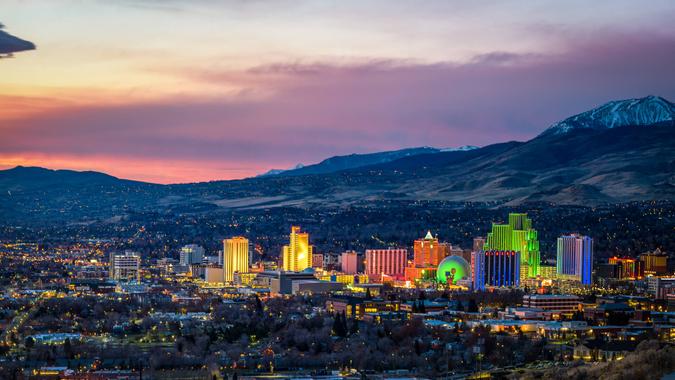
Nevada: Reno
- Cost of living: 1.1% less expensive than national average
Reno calls itself The Biggest Little City in the World, but it’s also been a designated Tree City USA for about 30 years. There are 159 varieties of trees in Reno parks, according to the city.
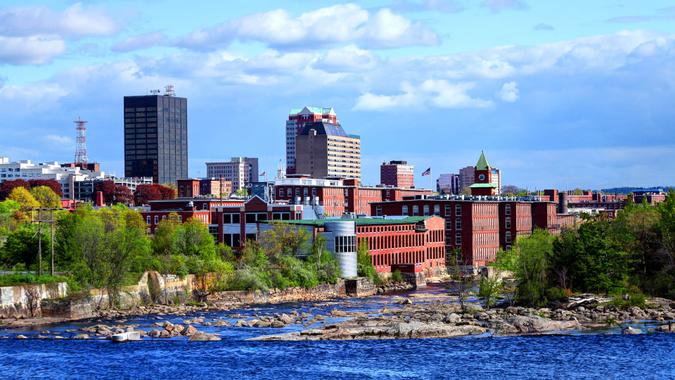
New Hampshire: Manchester-Nashua
- Cost of living: 4% more expensive than national average
Manchester is the largest city in Northern New England, with more than 115,000 residents. It embodies New England charm and also sits within an hour’s drive of Boston, the White Mountains and the Seacoast region.
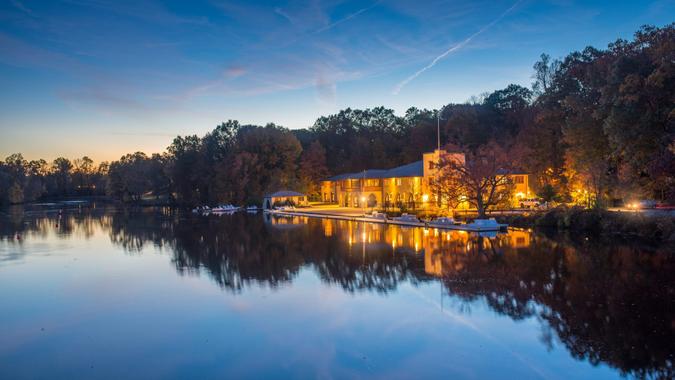
New Jersey: Trenton-Princeton
- Cost of living: 3.8% more expensive than national average
Home values are about nine times higher in Princeton than in Trenton, the state capital. The U.S. Census Bureau pegs the median value of an owner-occupied home at $893,600. In Trenton, it’s $96,700.
Be Aware: Barbara Corcoran: 3 Cities To Invest in Real Estate Now Before Prices Skyrocket
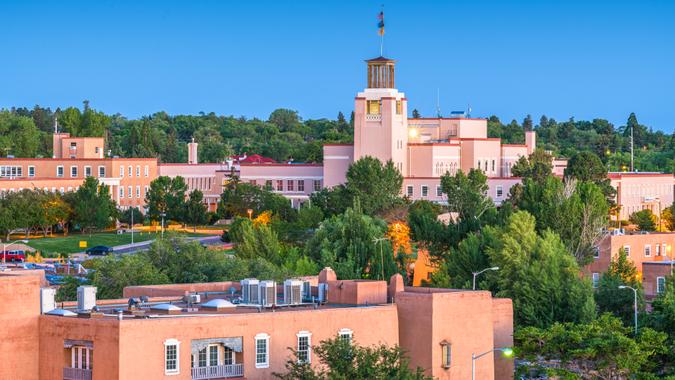
New Mexico: Santa Fe
- Cost of living: 5.6% less expensive than national average
When most people think of the oldest U.S. settlements, they think of Plymouth Colony in Massachusetts. However, Santa Fe is the oldest capital city in the U.S., established 13 years before the Pilgrims landed in 1620. It was a key area for the Spanish empire north of the Rio Grande River.
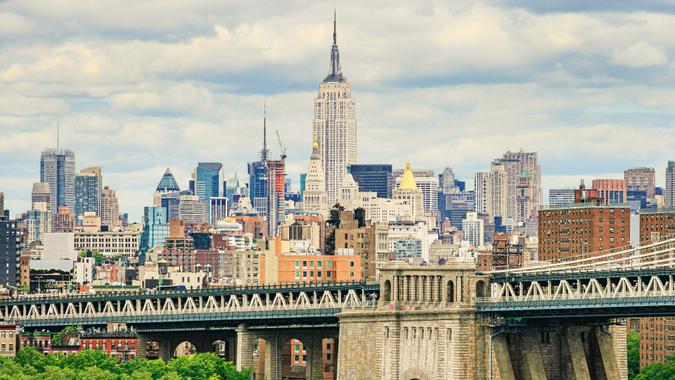
New York: New York-Newark-Jersey City
- Cost of living: 15.5% more expensive than national average
The New York-Newark-Jersey City area is a melting pot indeed. The most foreign-born residents of the region come from the Dominican Republic, followed by China and India.
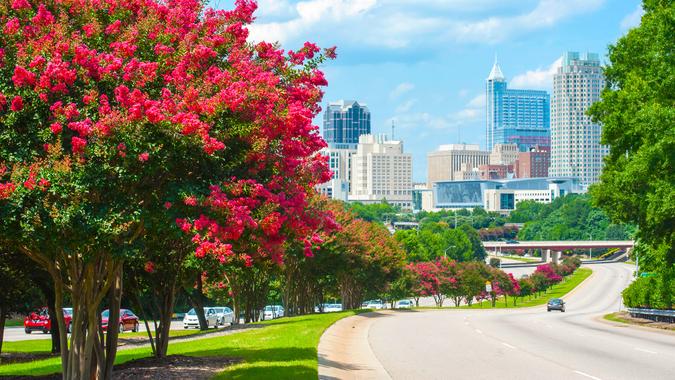
North Carolina: Raleigh-Cary
- Cost of living: 4.3% less expensive than national average
Raleigh’s history dates to the second half of the 18th century. Cary, the lesser-known of the two, has roots that go back that far, too, but it was a sleepy community until the development of the nearby Research Triangle Park about 200 years later. Cary has grown from a population of about 44,000 in 1990 to 132,000 in 2010 to 180,000 in 2022.
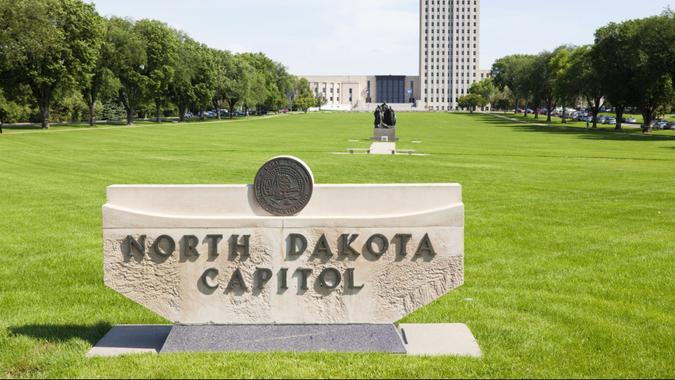
North Dakota: Bismarck
- Cost of living: 5.8% less expensive than national average
The average Bismarck resident spends about 16 minutes commuting to work, although 1.44% of the city’s workforce commutes more than 90 minutes.
Explore More: Don’t Buy a House in These 3 Cities Facing a ‘Climate Change Real Estate Bubble’
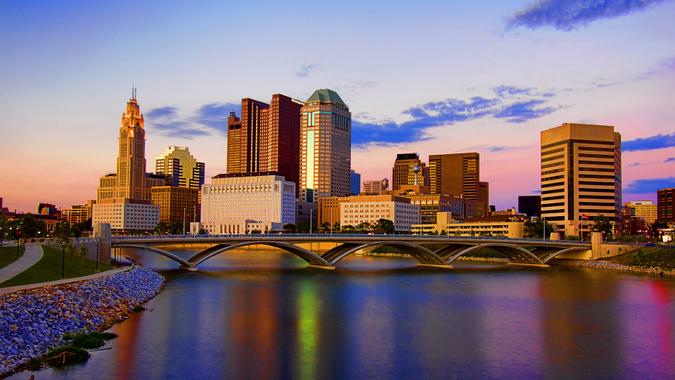
Ohio: Columbus
- Cost of living: 5.8% less expensive than national average
Columbus, the home of Ohio State University, is the largest city in the state in terms of population. State figures show Columbus has about 908,000 residents, well eclipsing Cleveland (362,000) and Cincinnati (310,000).
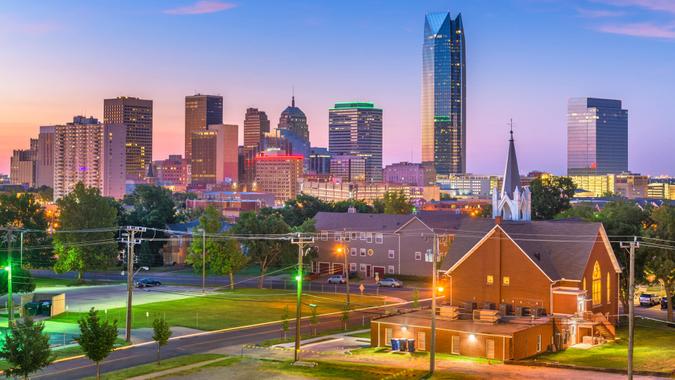
Oklahoma: Oklahoma City
- Cost of living: 6.2% less expensive than national average
Here are a few fun facts, courtesy of the people at Visit OKC.
By land area, Oklahoma City is the eighth-largest metropolitan city in the United States. The capitol building in Oklahoma City had a working oil well on its grounds until 2021 — and Oklahoma was the only state to be able to say that.
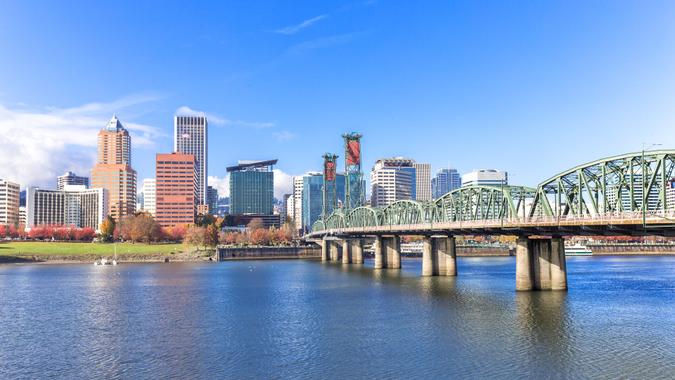
Oregon: Portland-Vancouver-Hillsboro
- Cost of living: 5.7% more expensive than national average
Vancouver is in Washington state, but it’s part of the Portland metro area, just 9.1 miles from one city hall to the other. The Columbia River is the boundary between the two states.

Pennsylvania: Philadelphia-Camden-Wilmington
- Cost of living: 2.3% more expensive than national average
Employment in the Philadelphia-Camden-Wilmington area grew by 2.39% from 2020 to 2021, rising from 3.02 million employees to 3.09 million. Those employees are in the healthcare/social assistance category, with educational services holding the second spot. That makes sense, given the School District of Philadelphia has nearly 200,000 students and the city has 32 colleges and universities.
Find Out: 10 Dangerous Cities You Shouldn’t Buy a Home in No Matter the Price
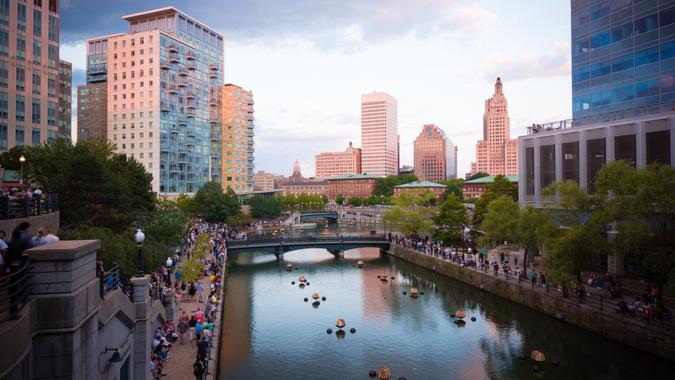
Rhode Island: Providence-Warwick
- Cost of living: 1.2% more expensive than national average
The median home value in Providence and Warwick is about 365,000. That’s about half the value of homes in Boston ($715,000), about an hour away by car.

South Carolina: Hilton Head Island-Bluffton
- Cost of living: 2% less expensive than national average
Buying a home in the Hilton Head area could be a good investment. If you properly license your property as a short-term rental, you could benefit from the tourism dollars that flow through the region. Approximately 2.5 million people visit Hilton Head each year.
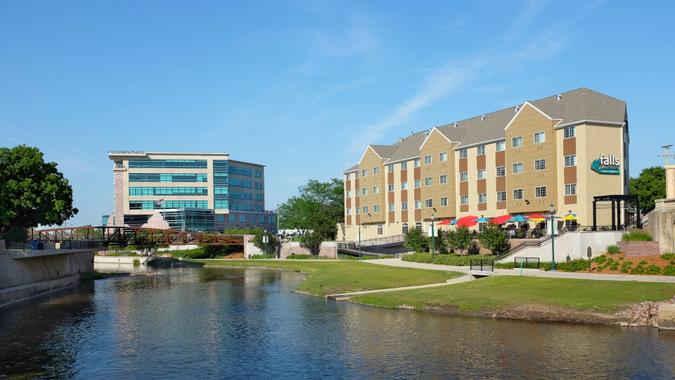
South Dakota: Sioux Falls
- Cost of living: 5.9% less expensive than national average
Sioux Falls, and South Dakota in general, also is popular with tourists. While it doesn’t have beaches like Hilton Head, 4.4 million visitors still traveled to and within South Dakota and spent $4.7 billion, SDVisit.com reports.
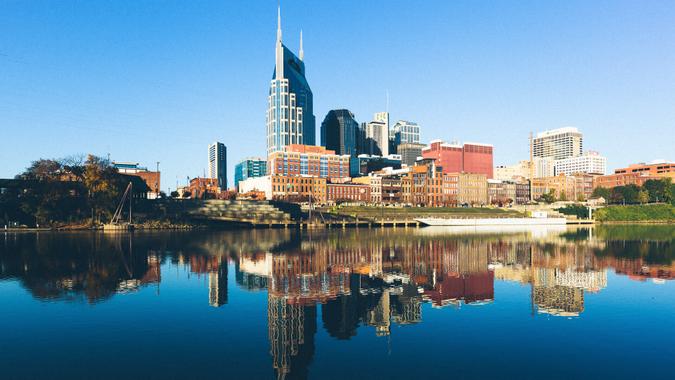
Tennessee: Nashville
- Cost of living: 3% less expensive than national average
Nashville has a place in advertising history. Legend has it that President Theodore Roosevelt visited the old Maxwell House Hotel in the city and declared that its coffee was “good to the last drop.” The phrase lives on as an advertising slogan.
Read More: Don’t Buy a House in These 10 US Cities: Growing Populations and Overcrowding

Texas: Dallas-Fort Worth-Arlington
- Cost of living: 5.1% more expensive than national average
The Dallas-Fort-Worth-Arlington area has 7.9 million residents, making it the fourth-largest metro area in the U.S., per Statista. It has about 600,000 more residents than the next spot on the list, Houston-The Woodlands-Sugar Land.
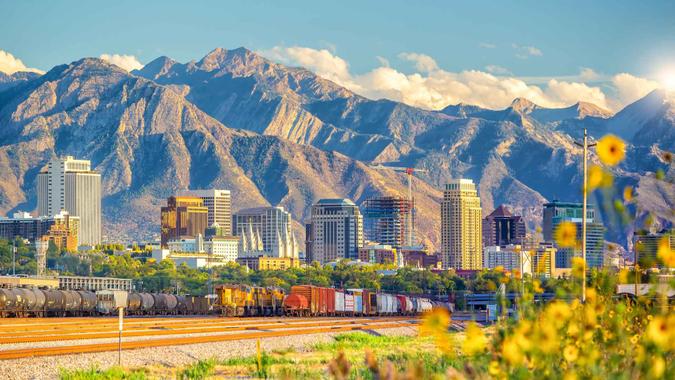
Utah: Salt Lake City
- Cost of living: 2.3% less expensive than national average
The Winter Olympics of 2002 spotlighted Salt Lake City as a place to live and visit. In the latter category, in 2022, the Visit Salt Lake organization booked 870,000 room nights for future conventions, Utah Business reported.
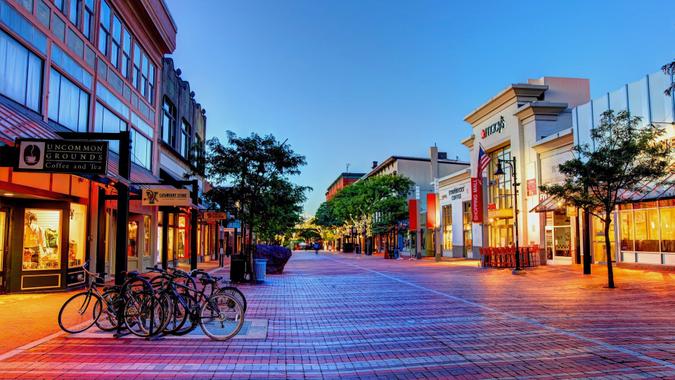
Vermont: Burlington-South Burlington
- Cost of living: 2.3% more expensive than national average
As with other states bordering Canada, Vermont has seen an influx of residents from its northern neighbor. The next-highest areas with residents that have migrated to Vermont? China, then Bosnia and Herzegovina. Perhaps some were drawn by the University of Vermont, a research university located in Burlington near Lake Champlain.
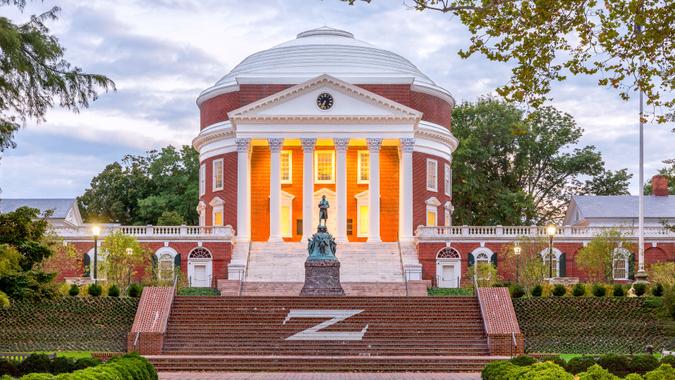
Virginia: Charlottesville
- Cost of living: 3.4% less expensive than national average
With about 24,000 students, the University of Virginia is a big driver of the Charlottesville economy. The largest job industry is educational services.
Discover More: 5 Midwest Cities Where You Can Buy Luxury Homes For $100,000 or Less
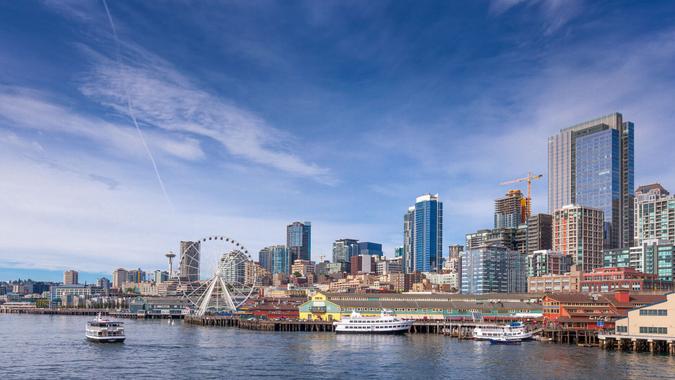
Washington: Seattle-Tacoma-Bellevue
- Cost of living: 12% more expensive than national average
The average home value in Bellevue is $1.3 million, and in Seattle, to the west, it’s $827,000, according to Zillow. The area is dotted with the headquarters of prominent companies – they include Microsoft, Amazon, Starbucks, Costco, Boeing Commercial Airplanes and Alaska Airlines – and it will take some of the biggest salaries to afford a home.
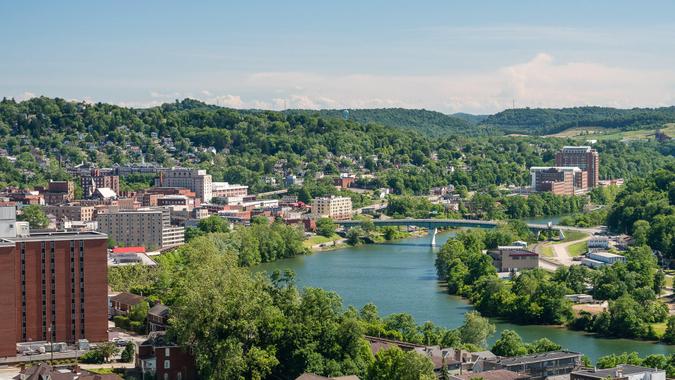
West Virginia: Morgantown
- Cost of living: 7.8% less expensive than national average
Morgantown is very much a college town, with the University of West Virginia based there. Of the approximately 30,000 residents in Morgantown, the average age skews young at 24.4.
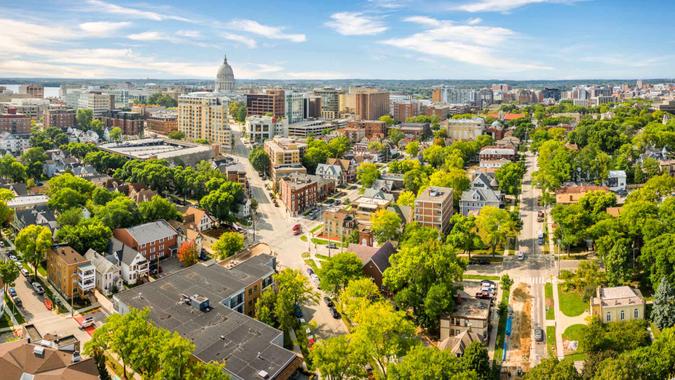
Wisconsin: Madison
- Cost of living: 3% less expensive than national average
Madison, incorporated as a city in 1856, was named after James Madison, the fourth president of the United States. VisitMadison.com cites 140 properties and districts, including Camp Randall and the Gates of Heaven Synagogue, listed on the National Register of Historic Places.
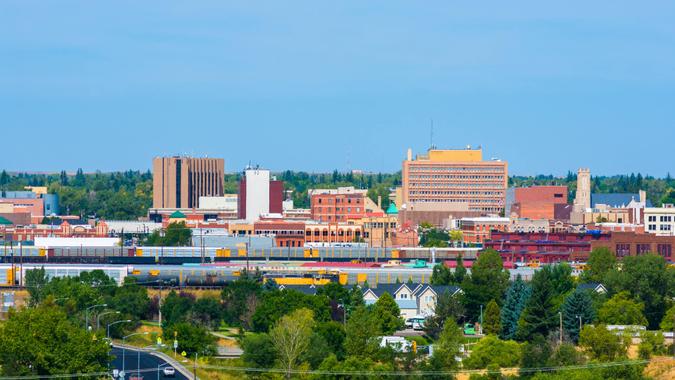
Wyoming: Cheyenne
- Cost of living: 6.8% less expensive than national average
Cheyenne harkens back to the Old West, and it has maintained the feel of the Wild West in the downtown. It also hosts the Cheyenne Frontier Days, which bills itself as the “world’s largest rodeo and Western celebration.”
More From GOBankingRates
- I'm a Shopping Expert: 6 Things Retirees Should Never Put In Their Grocery Cart
- 6 Clothing Items Frugal People Keep for Many Years
- How To Eliminate $100,000 of Debt
- 3 Surprising Reasons Women Should Consider an Annuity
This article originally appeared on GOBankingRates.com: The Most Expensive City in Every State
