Journal of the American Medical Association (JAMA) Publishes Results from First-Ever Randomized, Placebo-Controlled Clinical Trial Assessing the Dose-Dependent Efficacy of MM120 (Lysergide D-Tartrate, LSD) in Generalized Anxiety Disorder (GAD)
The Phase 2b study demonstrated a statistically significant dose-response relationship at the primary endpoint following a single administration of MM120 across four dose levels, with improvements sustained throughout the 12-week observation period
MM120 100 µg was determined to be the optimal dose, meeting its primary and key secondary endpoints, demonstrating a clinically and statistically significant improvement vs. placebo, and a 65% clinical response rate and 48% clinical remission rate at Week 12
MM120 was well-tolerated, with treatment-related adverse events occurring on dosing day and being consistent with the expected perceptual effects of LSD
NEW YORK--(BUSINESS WIRE)-- Mind Medicine (MindMed) Inc. (NASDAQ: MNMD), (the "Company" or "MindMed"), a late-stage clinical biopharmaceutical company developing novel product candidates to treat brain health disorders, today announced that JAMA has published full results from the Company’s positive Phase 2b study of MM120 (lysergide D-tartrate, LSD) in 198 adults with moderate-to-severe GAD. This is the first randomized, placebo-controlled trial to evaluate a single treatment across four dose levels (25, 50, 100, or 200 µg) as a monotherapy and did not include any form of study-related psychotherapeutic intervention. The study met its primary and key secondary endpoints, with MM120 demonstrating a dose-response relationship and significant symptom improvement versus placebo on the Hamilton Anxiety Rating Scale (HAM-A), a validated clinical tool used to assess the severity of anxiety.
This press release features multimedia. View the full release here: https://www.businesswire.com/news/home/20250904867044/en/
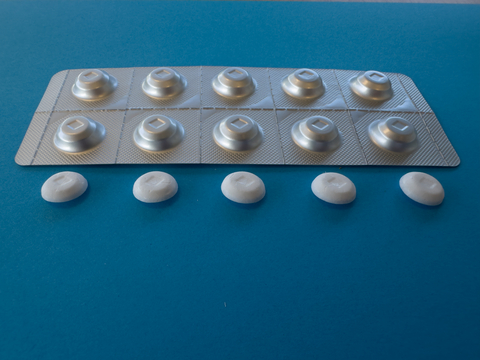
Representative Image of MM120 ODT/Courtesy of Catalent
The 100 µg dose of MM120, now being evaluated in three pivotal Phase 3 trials, showed the optimal level of clinical activity in the study. At Week 4, it achieved a 7.6-point greater reduction in HAM-A scores compared to placebo (-21.3 vs. -13.7; p
The views and opinions expressed herein are the views and opinions of the author and do not necessarily reflect those of Nasdaq, Inc.