Why Investors Shouldn't Worry About Scary Headlines
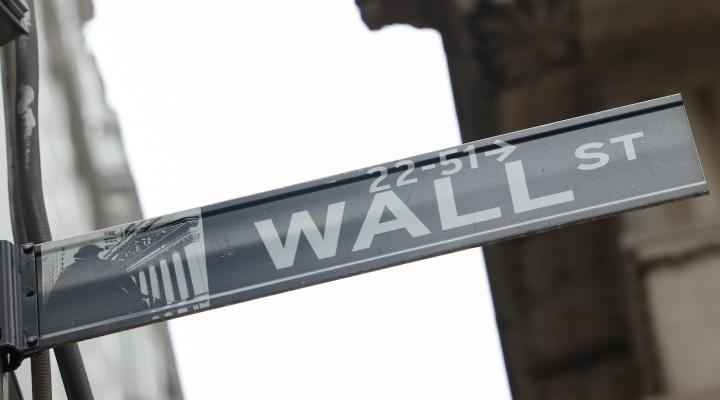
If you are someone who follows the stock market closely, it is likely that you are a bit worried right now. With headlines about struggling banks coming one after another, it is starting to feel like 2008 all over again, and that is not a nice feeling for anyone who traded or who lived through that particular mess. Add in contact between Russian fighter jets and an American drone that looks distinctly like a provocation, and it is hard to avoid a sense of impending doom. However, it is important to remember that in the days of 24/7 news coverage, when social media has made the shocking and the eye-catching the norm, headlines can be deceptive.
If you can detach yourself from the emotions wrought by seeing the words “bank” and “collapse” used together multiple times in just a few days, it quickly becomes clear that this is a specific, contained problem. That doesn’t mean that it can’t spread; of course it can, given that fear is one of the biggest drivers of self-fulfilling downward moves in markets, but so far, there is no sign of that. The Nasdaq tracking ETF (QQQ), for example is just 4.7% below its high for the year and closed on Wednesday more than 11% above where it started the year.

I can’t speak for everybody, but to me that doesn’t look like the chart of something collapsing, or about to collapse. It looks more like an orderly consolidation during a sustained upward move.
Then there is the data. I know that numbers are out of date when released and backward-looking by definition, but house prices have held up to rate hikes, strong consumer spending is continuing, there is effectively zero unemployment, and inflation, while still high, is falling. These just aren’t conditions that look worrying when you strip them away from the doom and gloom headlines around them.
The thing is, central banks around the world are at least as aware as we are of what happened in 2008, and are determined to avoid it happening again. A strong case can be made that their attitude to the problem then didn’t help, or maybe even made the situation worse. The view that banks that had taken on excessive risk and got hurt should pay the price for that was probably morally correct, but when it comes to banks, we all end up paying the price for their mistakes. Eventually, of course, the concept of “too big to fail” did prevail, but earlier intervention by the major central banks in 2008 might have kept confidence in the system at a manageable level and avoided a complete crash.
That is why, as confidence has fallen now, the Fed, the Bank of England, and now the Swiss National Bank, have all offered support or brokered deals to make it clear that these are self-contained problems. The two U.S. cases involve banks with heavy exposure to small tech companies and crypto, both areas of the economy that have seen some major revaluation over the last six to nine months, so shouldn’t really come as a major surprise. Nor should the struggles of Credit Suisse, where liquidity issues have been a subject for some time, be of any surprise either. That stock had lost close to 90% of its value in the two years leading up to this, so them needing help is hardly shocking.
I am not saying that this won’t all blow up. The financial system depends on banks having confidence in each other, and anything that dents that confidence brings a risk of chaos. However, the most likely outcome here is still positive. It doesn’t look like a time to be piling into stocks, but then nor is it a time to panic and sell everything. It is a time to wait and see. The quick actions of central banks and underlying economic conditions suggest that the damage wrought by rate hikes in the U.S. will be at least contained, and that should be enough to quell any rising fear investors may feel as they listen to and read breathless headlines. In other words, keep calm and trade on.
The views and opinions expressed herein are the views and opinions of the author and do not necessarily reflect those of Nasdaq, Inc.

Martin Tillier
Martin Tillier spent years working in the Foreign Exchange market, which required an in-depth understanding of both the world’s markets and psychology and techniques of traders. In 2002, Martin left the markets, moved to the U.S., and opened a successful wine store, but the lure of the financial world proved too strong, leading Martin to join a major firm as financial advisor.
Read Martin's Bio