
The Average Retirement Savings in Every State
For many Americans, retirement savings are coming up short. While financial advisors/experts and commentators typically suggest investors shoot for a nest egg of at least $1 million, there is not a single state in which the average retirement balance is remotely close to that figure, according to data from Personal Capital. The highest average balance in any state — Connecticut- – barely tops $500,000.
Here are some other highlights from the research done by Personal Capital:
- The wealthiest state for average retirement savings is Connecticut, at $545,754, with Alaska and Vermont following closely at $503,822 and $494,569, respectively.
- North Dakota’s average retirement savings of $319,609 are the lowest in the country.
- Average retirement savings, not surprisingly, rise with age. The average balance for those 45 to 52 is $179,200, rising to $256,244 for those 55 to 64 and $279,997 for those already retired.
- Among ethnic groups, white household groups have the highest median retirement savings, at $79,500, with Latinx households having the lowest at $23,000.
- Men on average have more than double the retirement savings of women, at a median of $91,000 vs. $43,000.
Find Out: 6 Reasons the Poor Stay Poor and Middle Class Doesn’t Become Wealthy
Try This: How To Get $340 Per Year in Cash Back on Gas and Other Things You Already Buy
While numerous factors are dragging down the averages, perhaps the biggest is the low participation rate in American retirement accounts. According to the Federal Reserve’s Survey of Consumer Finances, only 54% of Americans had a retirement account in 2022. This means that nearly half of Americans didn’t have a retirement account at all. The average Social Security payout for retired workers was just $1,909.01 as of January 2024, this leaves a lot of ground to make up.
Simple math shows that the power of compounding returns makes building a seven-figure account balance easier the younger you are. But it’s never too late to start. If you’re already in your 30s, 40s or even 50s, you’ll be playing catch-up for sure, but there are some steps you can take to leverage your savings rate.
The first is contributing as much as you can by making some changes to your budget and lifestyle. Prioritize your retirement plan by saving first and then living off your remaining funds, rather than trying to save what’s “leftover” after all your spending. No matter how tight your budget is, you can always turn up a few extra dollars somewhere. Eating out less, trimming your streaming subscriptions, even walking to work or taking public transportation may save you enough to help fund a viable retirement plan.
For an even bigger impact, consider downsizing your home, moving to a cheaper location in town or even living in another state. These types of steps could potentially save you hundreds or even thousands of dollars off your monthly budget.
Next, take advantage of the many advantages that retirement accounts offer. All tax-advantaged accounts, from traditional and Roth IRAs to 401(k) plans, offer tax-deferred growth while your money is in the account, and Roth IRAs also allow for qualified tax-free distributions. Money you take out of a traditional IRA or 401(k) is fully taxable, but you’ll get a tax break on the money you contribute. And 401(k) plans offer the closest thing there is to free money in the form of the employer match, in which your company will deposit a certain percentage of your own contributions directly into your account. All of these factors can help to ramp up your balance quickly.
But the benefits don’t stop there. Once you reach age 50, the IRS allows you to kick in even more to your retirement accounts. For example, if you have an IRA account, in addition to the maximum allowable contribution of $7,000 for tax year 2024, you can sock away another $1,000 if you’re 50 or over. For a 401(k) plan, the benefit is even greater. On top of 2024’s maximum contribution of $23,000, you’re allowed a catch-up contribution of $7,500, meaning you can put up to $30,500 per year in your 401(k).
Where you live can also play a big role in terms of how far you can stretch your retirement savings. While North Dakota may have the lowest average retirement savings of any state, at $319,609, it also has a very low cost of living compared with states like Connecticut or Hawaii. A nest egg even a few hundred thousand dollars less may be enough to live a comfortable retirement in these types of states, or even in lower-cost areas of more expensive states.
Lastly, deferring your retirement date by even a few years can pay big dividends when it comes to the quality of your retirement lifestyle. With more years to earn, you’ll have both more time and more income to contribute to your investment accounts, which in turn will have more time to compound in value. Working longer can also potentially raise your ultimate Social Security benefit, as it’s based in part on your 35 highest-earning years. Waiting to file for benefits past the current full retirement age of 67 can also boost your payout by a significant 8% per month for each year, up until age 70.
With all of these factors in mind, here’s a look at the average retirement account balances on a state-by-state basis, as determined by Personal Capital.

Alabama
- Average retirement balance: $395,563
Check Out: How Much Does the Average Middle-Class Person Have in Savings?
Read More: 5 Unusual Ways To Make Extra Money (That Actually Work)

Alaska
- Average retirement balance: $503,822
Discover More: Here’s How Much You Need To Earn To Be ‘Rich’ in Every State

Arizona
- Average retirement balance: $427,418

Arkansas
- Average retirement balance: $364,395

California
- Average Retirement Balance: $452,135

Colorado
- Average Retirement Balance: $449,719
Read Next: 6 Rare Coins That Will Spike in Value in 2024

Connecticut
- Average Retirement Balance: $545,754
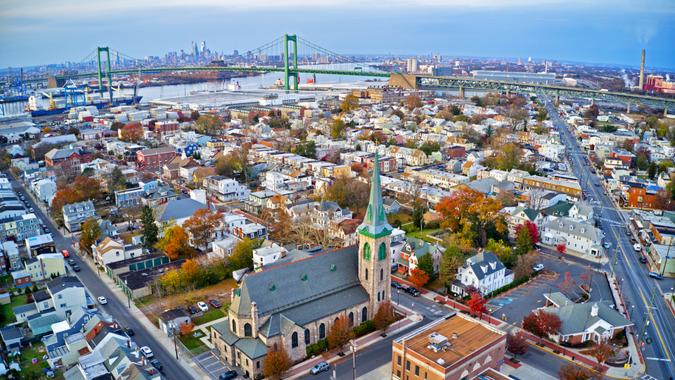
Delaware
- Average Retirement Balance: $454,679
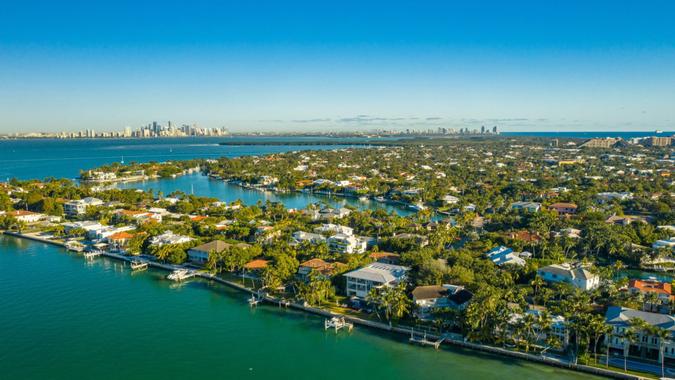
Florida
- Average Retirement Balance: $428,997

Georgia
- Average Retirement Balance: $435,254
Explore More: 10 of the Most Valuable Pennies

Hawaii
- Average Retirement Balance: $366,776
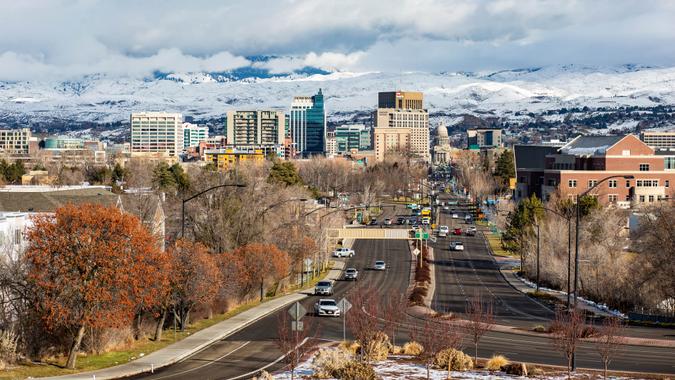
Idaho
- Average Retirement Balance: $437,396

Illinois
- Average Retirement Balance: $449,983
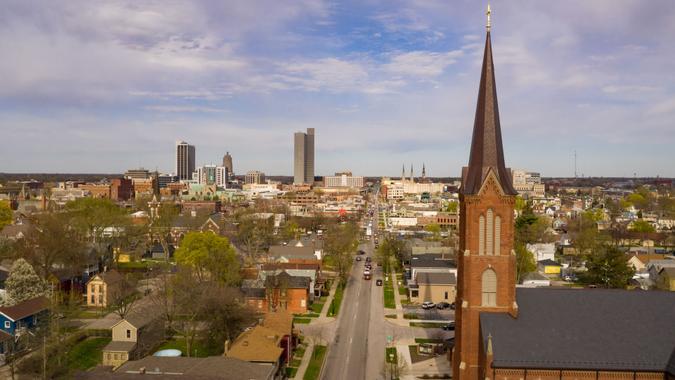
Indiana
- Average Retirement Balance: $405,732
Discover More: Here’s the Salary Needed to Actually Take Home $100K in Every State

Iowa
- Average Retirement Balance: $465,127

Kansas
- Average Retirement Balance: $452,703
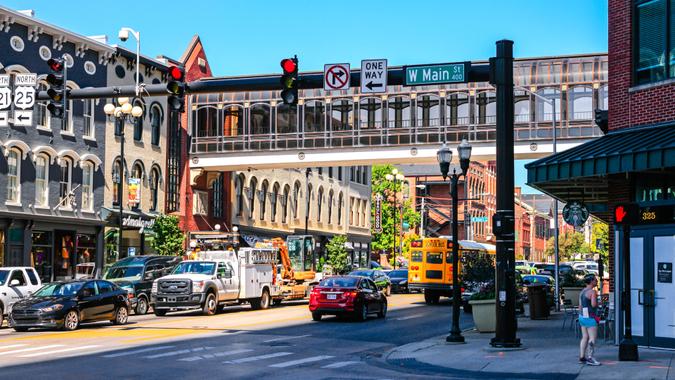
Kentucky
- Average Retirement Balance: $441,757

Louisiana
- Average Retirement Balance: $386,908
Check Out: Shark Tank’ Star Kevin O’Leary: My Morning Habit That Keeps Me From ‘Losing Money 100% of the Time’

Maine
- Average Retirement Balance: $403,751

Maryland
- Average Retirement Balance: $485,501

Massachusetts
- Average Retirement Balance: $478,947

Michigan
- Average Retirement Balance: $439,568
Read Next: 8 Rare Coins Worth Millions That Are Highly Coveted by Coin Collectors

Minnesota
- Average Retirement Balance: $470,549

Mississippi
- Average Retirement Balance: $347,884

Missouri
- Average Retirement Balance: $410,656
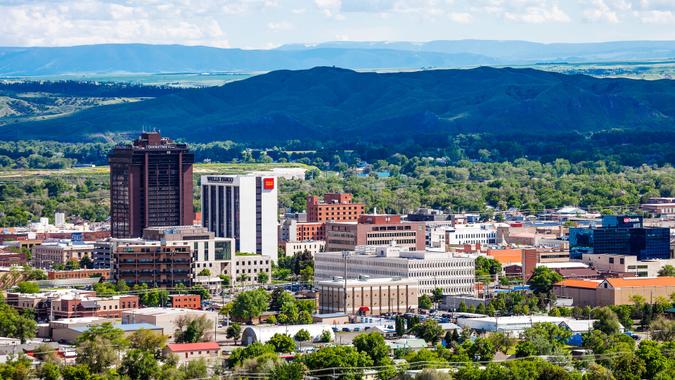
Montana
- Average Retirement Balance: $390,768
Learn More: Rare Bicentennial Quarter Has Nearly $20K Value — Plus 7 More Worth Big Money

Nebraska
- Average Retirement Balance: $404,650

Nevada
- Average Retirement Balance: $379,728

New Hampshire
- Average Retirement Balance: $512,781

New Jersey
- Average Retirement Balance: $514,245
For You: Suze Orman: 5 Social Security Facts Every Soon-To-Be Retiree Must Know

New Mexico
- Average Retirement Balance: $428,041

New York
- Average Retirement Balance: $382,027

North Carolina
- Average Retirement Balance: $464,104

North Dakota
- Average Retirement Balance: $319,609
Try This: 6 Ways To Lower Expenses in Retirement While Still Living a Luxury Lifestyle

Ohio
- Average Retirement Balance: $427,462

Oklahoma
- Average Retirement Balance: $361,366

Oregon
- Average Retirement Balance: $452,558
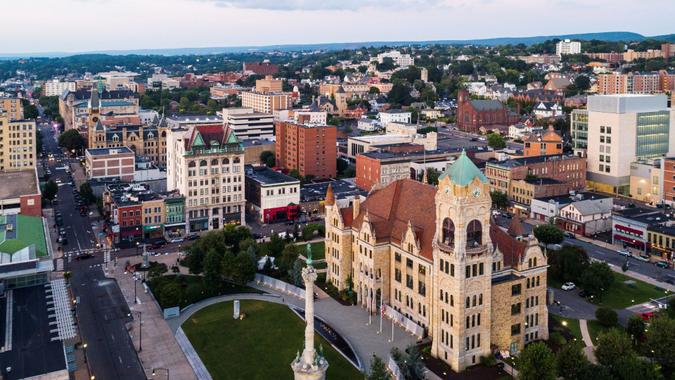
Pennsylvania
- Average Retirement Balance: $462,075
Trending Now: Here’s Exactly How Much Savings You Need To Retire in Your State

Rhode Island
- Average Retirement Balance: $392,622

South Carolina
- Average Retirement Balance: $449,486

South Dakota
- Average Retirement Balance: $449,628

Tennessee
- Average Retirement Balance: $376,476
Be Aware: These 8 Expenses Can Kill Your Retirement — Should You Ditch Them ASAP?

Texas
- Average Retirement Balance: $434,328

Utah
- Average Retirement Balance: $315,160

Vermont
- Average Retirement Balance: $494,569

Virginia
- Average Retirement Balance: $492,965
Explore More: Avoid These 7 Cars That Will Only Last You Half as Long as the Average Vehicle

Washington
- Average Retirement Balance: $469,987

Washington D.C.,
- Average Retirement Balance: $347,582

West Virginia
- Average Retirement Balance: $370,532

Wisconsin
- Average Retirement Balance: $448,975
Find Out: 16 Best Places To Retire in the US That Feel Like Europe

Wyoming
- Average Retirement Balance: $381,133
More From GOBankingRates
- 6 Expensive Costco Items That Are Definitely Worth the Cost
- 5 Unnecessary Bills You Should Stop Paying in 2024
- 5 Reasons You Should Consider an Annuity For Your Retirement Savings
- 10 New Cars to Avoid Buying in 2024
This article originally appeared on GOBankingRates.com: The Average Retirement Savings in Every State
