

An introduction to WEBs and Defined Volatility
Highlights
- Markets are volatile, and existing products fall short of providing effective risk management tools for investors.
- WEBs Investments is an ETF provider seeking to bring institutional-grade products to retail investors.
- Defined Volatility is a new product that dynamically adjusts market exposure based on current market conditions.
- Defined Volatility leans into calm markets and pulls back in choppy markets, potentially giving investors stable volatility without upside caps.
Markets are Volatile!
Volatility can be a confusing term. In investing, volatility measures how much an asset or portfolio’s returns fluctuate over time. It’s typically expressed as the annualized standard deviation of returns—showing the range of potential price movements, both up and down.
The S&P 500 is one of the most popular benchmarks used in financial markets. The S&P has averaged a return over the last 20 years of 10.3%, however the yearly returns look very different than the average. The best year saw the S&P rise by 32.4% with the worst year seeing the S&P shed 37%. Below shows the volatility in the annual returns:

Figure: 1, Data Source: fmpcloud.io. Data as of: 2024-12-06. Performance quoted represents past performance, which is no guarantee of future results. You cannot invest directly in an index.
While the average return of the S&P 500 has been 10.3%, the average volatility is a little more than 19% when using daily returns. This implies that 66% of the time, the return is likely to be between -20% and +20%.
The problem with this measure of volatility is that, similar to returns, it can fluctuate greatly. Using daily returns, the rolling 1-year volatility of the S&P has moved up and down. Sometimes the market is calm, usually in upward moving markets. Other times, the market is highly volatile, which are typically during bear markets.
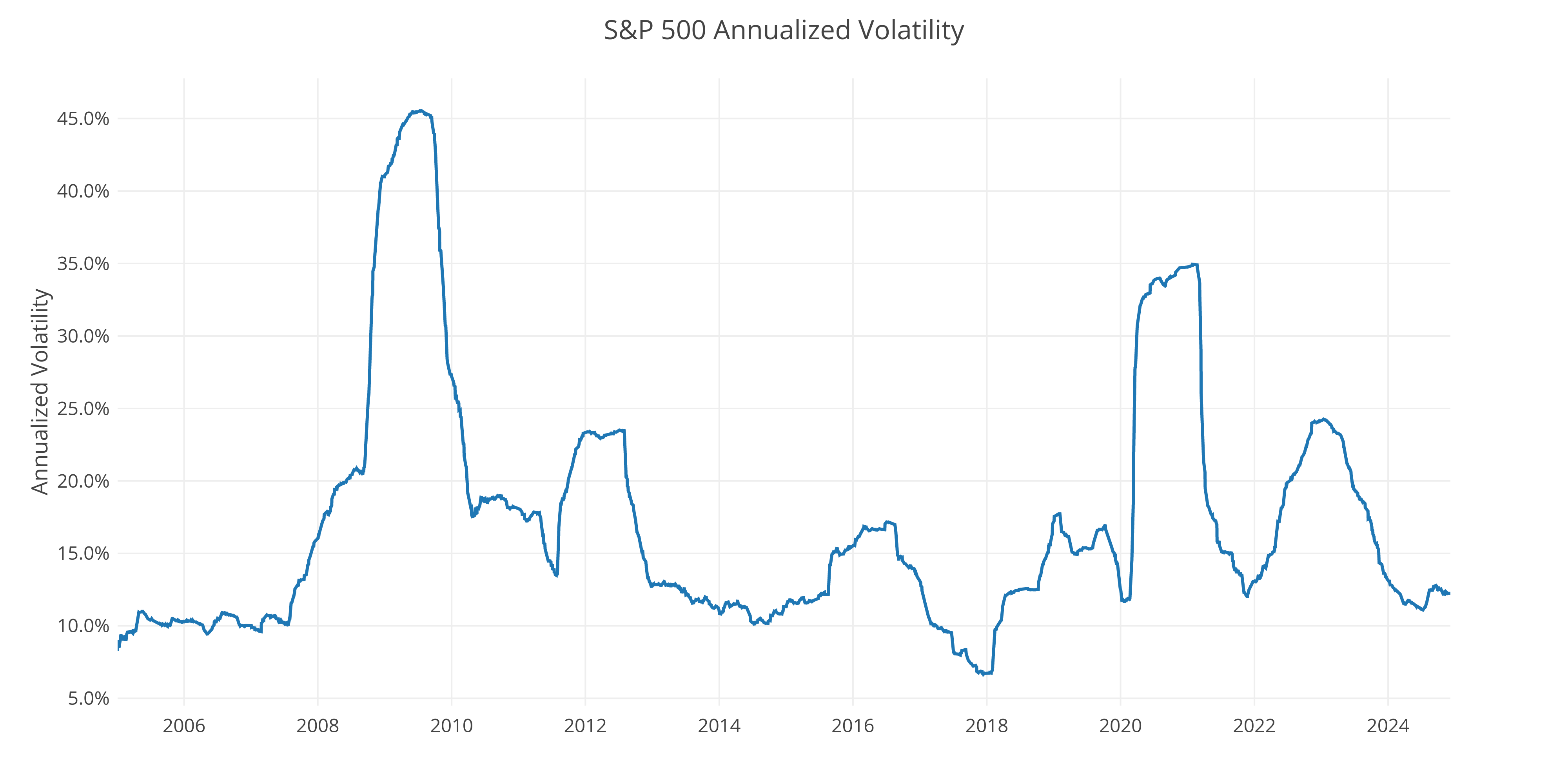
Figure: 2, Data Source: fmpcloud.io. Data as of: 2024-12-06. Performance quoted represents past performance, which is no guarantee of future results. You cannot invest directly in an index.
Volatility tends to rise in bear markets, while returns generally drop. This inverse relationship demonstrates how market downturns often coincide with increased volatility.

Figure: 3, Data Source: fmpcloud.io. Data as of: 2024-12-06. Performance quoted represents past performance, which is no guarantee of future results. You cannot invest directly in an index.
This is a well known problem in financial markets. There have been strategies designed to try and solve for this, some old and some new. They include:
- The 60/40 Portfolio
- Reduced Volatility Portfolios
- Defined Outcome or Buffer ETFs
While these strategies have introduced valuable innovations and benefits to the market, retail investors may still lack access to a strategy designed to provide stable volatility. Promises of stable or protected returns often come with significant limitations, particularly a cap on the upside. Much like purchasing insurance, guaranteeing a specific return range can be costly.
Institutions are familiar with these challenges and have designed more sophisticated products to seek to stabilize the volatility in their portfolios. They do this with dynamic leverage, meaning the leverage in their portfolio adjusts and responds based on market conditions. Unfortunately, for retail clients it has never been cheap or easy to institute a similar strategy.
WEBs Investments
Founded in 2024, WEBs Investments aims to bring institutional investment strategies to the retail market. The experienced leadership team has deep expertise in investment management and ETFs.
Although the ETF market has grown significantly over the past two decades, offering a wide range of products, WEBs sees a major gap. Investors need a simple, effective tool that aligns with their risk tolerance.
WEBs is launching a new series of products known as Defined Volatility. These products will smooth out the volatility of a portfolio. These products do not guarantee a return outcome, instead, they are designed to stabilize the volatility investors experience. While the S&P 500 averages 19% volatility, we showed above how this fluctuates year to year. Defined Volatility is built to stabilize the volatility.
What is the Impact on Returns?
As shown in Figure 3 above, when markets are falling, they tend to be more volatile and when they are rising, they tend to be less volatile. This means, by design, this product generally leans into calm markets and reduces exposure during falling markets.
Conclusion
WEBs Investments is excited to launch the Defined Volatility ETF suite. These products seek to give investors better tools to manage their risk and navigate market volatility. They can be used as alternatives to core assets and holdings within an investor's portfolio.
Disclosures
Investors should consider the investment objectives, risks, charges and expenses carefully before investing. For a prospectus or summary prospectus with this and other information about the Fund, please call 844-455-9327 or visit our website at websinv.com. Read the prospectus or summary prospectus carefully before investing.
The funds are new with a limited operating history. Investing in the fund involves a high degree of risk. Principal loss is possible.
Fund Objective: The DVSP Fund seeks to provide investment results that, before fees and expenses, correspond to the performance of the Syntax Defined Volatility US Large Cap 500 Index. The Syntax Defined Volatility US Large Cap 500 Index tracks the net asset value (NAV) of a portfolio that seeks exposure to the large-cap US equity market while targeting annual volatility of 20%. The Index seeks to accomplish these objectives by primarily allocating to shares of the SPDR S&P 500 ETF Trust (Ticker: SPY) and alternately allocating to either a cash position as a way of reducing volatility, or a total return swap on SPY as a way of applying leverage to the equity position and thereby increasing volatility.
The DVQQ Fund seeks to provide investment results that, before fees and expenses, correspond to the performance of the Syntax Defined Volatility Triple Qs Index. The Syntax Defined Volatility Triple Qs Index tracks the net asset value (NAV) of a portfolio that seeks exposure to non-financial large-cap US equities while targeting annual volatility of 22%. The Index seeks to accomplish these objectives by primarily allocating to shares of the Invesco QQQ ETF (Ticker: QQQ) and alternately allocating to either a cash position as a way of reducing volatility, or a total return swap on QQQ as a way of applying leverage to the equity position and thereby increasing volatility.
Important Information The Funds are passively managed ETFs listed for trading on the Exchange. The Fund implements its investment objective by investing, under normal market conditions, at least 80% of its net assets (including borrowings for investment purposes) in financial instruments that achieve the investment results of the Index. The Fund will, from time to time as determined by the Index, hold cash, cash-like instruments or high-quality fixed income securities to the extent the Underlying ETF concentrates (i.e., holds 25% or more of its total assets) in the securities of a particular industry or group of industries, the Fund will concentrate its investments to approximately the same extent as the Underlying ETF. Because the Fund seeks exposure to the Underlying ETF, the Fund’s investment performance largely depends on the investment performance and associated risks of the Underlying ETF. A significant portion of the Underlying ETF is represented by securities of companies in the information technology sector. The Fund is classified as “non-diversified” which means that the Fund may invest a higher percentage of its assets in a fewer number of issuers than is permissible for a “diversified” fund. If for any reason the Fund is unable to rebalance all or a portion of its portfolio, or if all or a portion of the portfolio is rebalanced incorrectly, the Fund’s investment exposure may not be consistent with the Fund’s investment objective. In these instances, the Fund may have investment exposure to the Index that is significantly greater or less than what is intended in its strategy. As a result, the Fund may be more exposed to leverage risk than if it had been properly rebalanced and may not achieve its investment objective.
There can be no assurance that the Fund will achieve its investment objective and could incur substantial losses. The Fund’s returns will likely differ in amount, and possibly even direction, from the returns of the Underlying ETF. These differences can be significant, the Fund could lose money regardless of the performance of its Underlying ETF and as a result of portfolio rebalancing, fees, the Underlying ETF’s volatility, compounding and other factors, the Fund is unlikely to match the performance of the Underlying ETF.
The S&P 500 ® Index (“S&P 500”) includes 500 selected companies, all of which are listed on national stock exchanges and span over 24 separate industry groups. The S&P 500 is a free float market capitalization index and is rebalanced and reconstituted quarterly.
The Funds are distributed by Foreside Fund Services, LLC which is not affiliated with WEBs Investments Inc., Westwood Holdings Group, Inc., U.S. Bank, or any of their affiliates.

Latest articles

This data feed is not available at this time.
Data is currently not available