

There are only three states where earning less than $500,000 annually means you are considered wealthy enough to be among the top 1% of said states.
GOBankingRates determined these earnings by reviewing IRS data from the 2022 tax season and isolating every state’s top 1% income threshold. From there, we used the Bureau of Labor Statistics CPI inflation calculator to find each figure in 2025 dollars.
That’s Interesting: Here’s the Minimum Salary Required To Be Considered Upper Class in California
Explore More: 6 Subtly Genius Moves All Wealthy People Make With Their Money
See how much you would need to make to be in every state’s top 1% of earners.

Alabama
- Lower limit of the top 1% (2022 dollars): $491,737
- Lower limit of the top 1% (2025 dollars): $555,617
View Next: What Salary Single People Need To Live Comfortably in 100 Major US Cities
Be Aware: What Is the Estimated Median Income for the Upper-Middle Class in 2025?
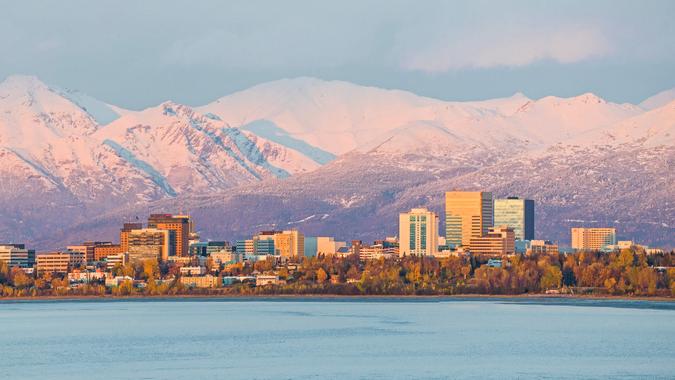
Alaska
- Lower limit of the top 1% (2022 dollars): $541,391
- Lower limit of the top 1% (2025 dollars): $611,721
Read More: Mark Cuban Says He Keeps a Large Part of His Portfolio in Cash — Here’s Why

Arizona
- Lower limit of the top 1% (2022 dollars): $592,062
- Lower limit of the top 1% (2025 dollars): $668,975

Arkansas
- Lower limit of the top 1% (2022 dollars): $478,036
- Lower limit of the top 1% (2025 dollars): $540,136

California
- Lower limit of the top 1% (2022 dollars): $835,930
- Lower limit of the top 1% (2025 dollars): $944,522

Colorado
- Lower limit of the top 1% (2022 dollars): $713,682
- Lower limit of the top 1% (2025 dollars): $806,393

Connecticut
- Lower limit of the top 1% (2022 dollars): $975,899
- Lower limit of the top 1% (2025 dollars): $1,102,674
Trending Now: Here’s the Minimum Salary Required To Be Considered Upper-Middle Class in 2025

Delaware
- Lower limit of the top 1% (2022 dollars): $534,189
- Lower limit of the top 1% (2025 dollars): $603,583
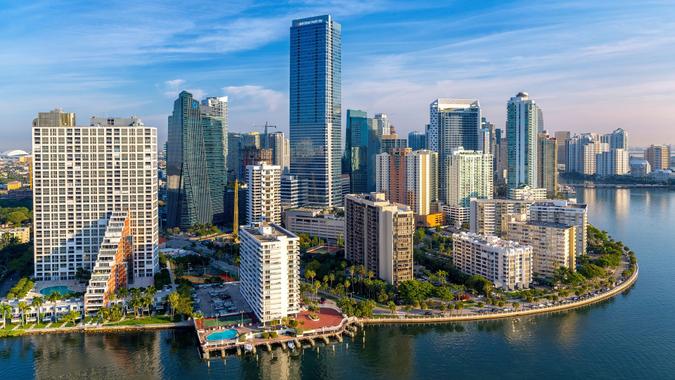
Florida
- Lower limit of the top 1% (2022 dollars): $793,446
- Lower limit of the top 1% (2025 dollars): $896,519
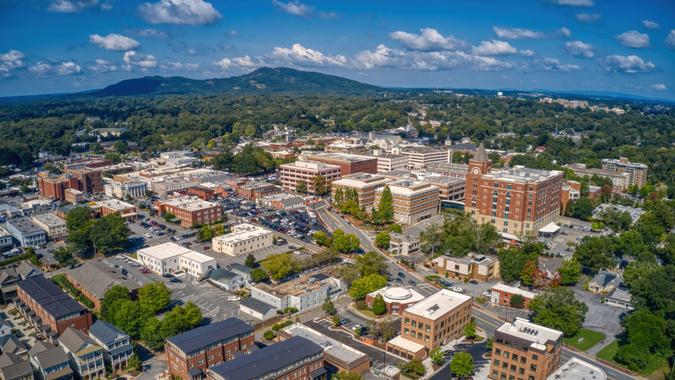
Georgia
- Lower limit of the top 1% (2022 dollars): $611,967
- Lower limit of the top 1% (2025 dollars): $691,465

Hawaii
- Lower limit of the top 1% (2022 dollars): $518,093
- Lower limit of the top 1% (2025 dollars): $585,396

Idaho
- Lower limit of the top 1% (2022 dollars): $579,669
- Lower limit of the top 1% (2025 dollars): $654,971
See More: Are You Rich or Middle Class? 8 Ways To Tell That Go Beyond Your Paycheck

Illinois
- Lower limit of the top 1% (2022 dollars): $675,101
- Lower limit of the top 1% (2025 dollars): $762,800

Indiana
- Lower limit of the top 1% (2022 dollars): $490,566
- Lower limit of the top 1% (2025 dollars): $554,293
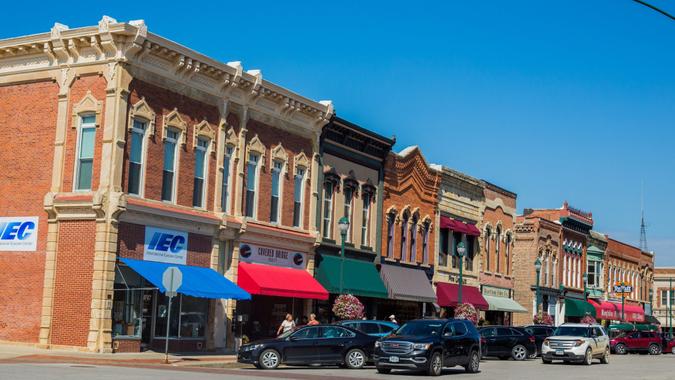
Iowa
- Lower limit of the top 1% (2022 dollars): $511,537
- Lower limit of the top 1% (2025 dollars): $577,988

Kansas
- Lower limit of the top 1% (2022 dollars): $563,148
- Lower limit of the top 1% (2025 dollars): $636,304

Kentucky
- Lower limit of the top 1% (2022 dollars): $458,204
- Lower limit of the top 1% (2025 dollars): $517,727
Discover Next: I’m a Financial Advisor — My Wealthiest Clients All Do These 3 Things

Louisiana
- Lower limit of the top 1% (2022 dollars): $508,840
- Lower limit of the top 1% (2025 dollars): $574,942

Maine
- Lower limit of the top 1% (2022 dollars): $508,666
- Lower limit of the top 1% (2025 dollars): $574,745
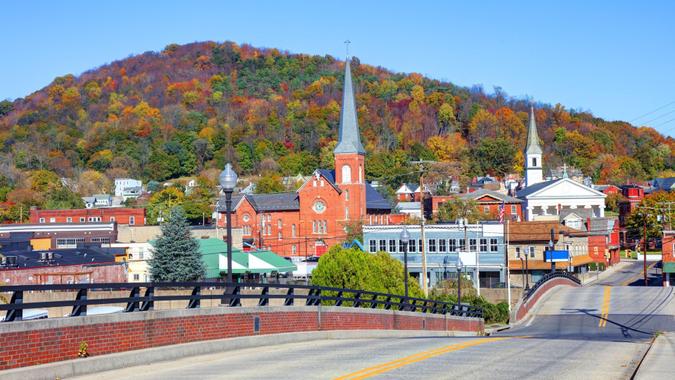
Maryland
- Lower limit of the top 1% (2022 dollars): $625,559
- Lower limit of the top 1% (2025 dollars): $706,823
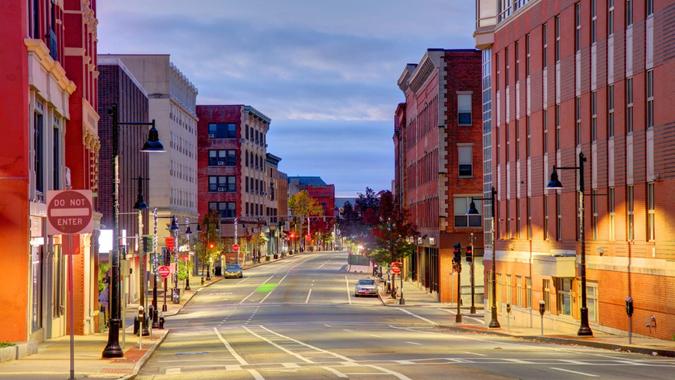
Massachusetts
- Lower limit of the top 1% (2022 dollars): $891,118
- Lower limit of the top 1% (2025 dollars): $1,006,879

Michigan
- Lower limit of the top 1% (2022 dollars): $518,495
- Lower limit of the top 1% (2025 dollars): $585,850
Try This: I’m a Financial Advisor — 10 Most Awesome Things You Can Do for Your Finances in 2025
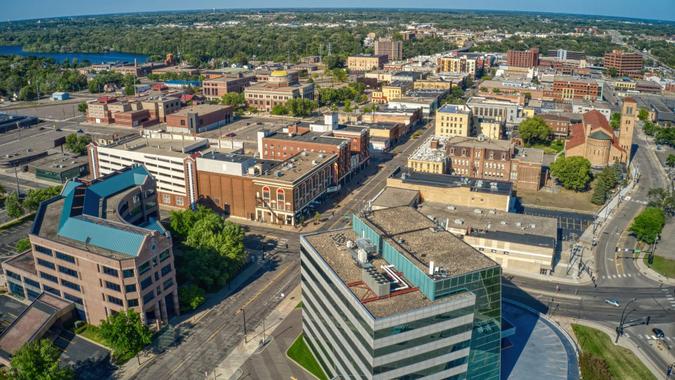
Minnesota
- Lower limit of the top 1% (2022 dollars): $619,895
- Lower limit of the top 1% (2025 dollars): $700,423
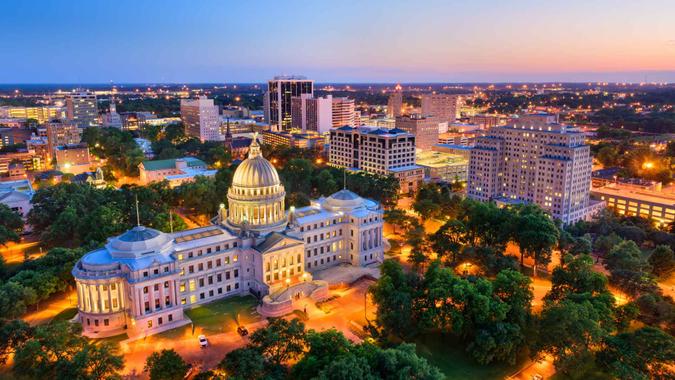
Mississippi
- Lower limit of the top 1% (2022 dollars): $405,760
- Lower limit of the top 1% (2025 dollars): $458,471

Missouri
- Lower limit of the top 1% (2022 dollars): $516,151
- Lower limit of the top 1% (2025 dollars): $583,202
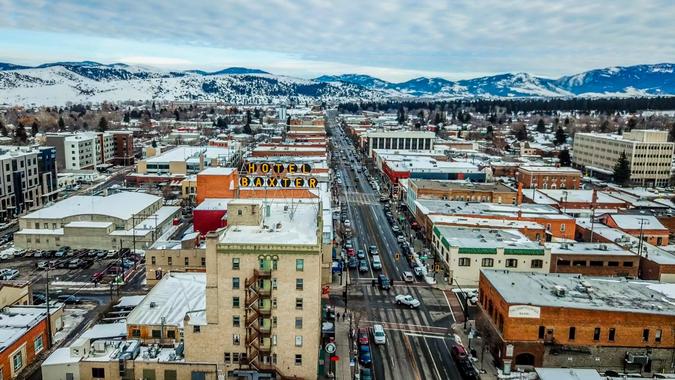
Montana
- Lower limit of the top 1% (2022 dollars): $606,435
- Lower limit of the top 1% (2025 dollars): $685,215
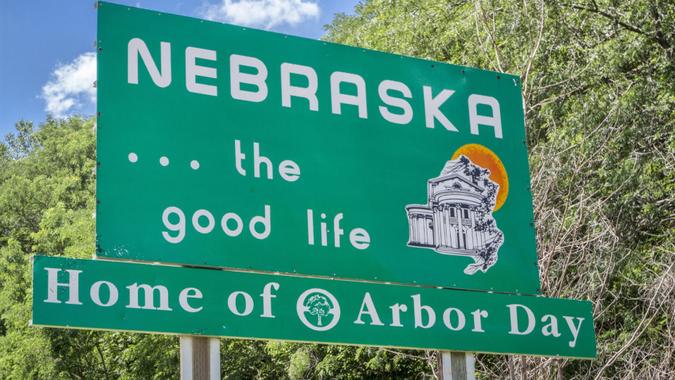
Nebraska
- Lower limit of the top 1% (2022 dollars): $557,565
- Lower limit of the top 1% (2025 dollars): $629,996
Check Out: 3 Signs You’ve ‘Made It’ Financially, According to Financial Influencer Genesis Hinckley

Nevada
- Lower limit of the top 1% (2022 dollars): $649,721
- Lower limit of the top 1% (2025 dollars): $734,124
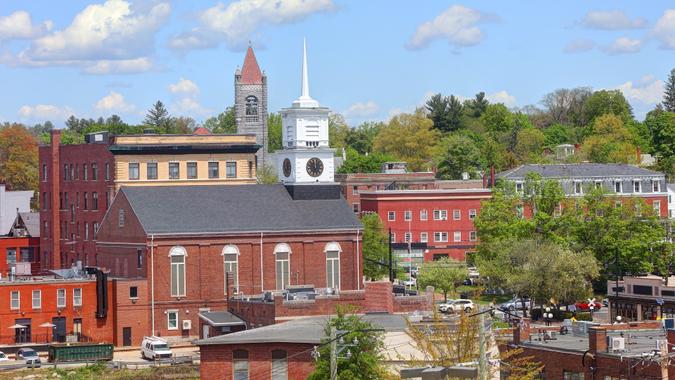
New Hampshire
- Lower limit of the top 1% (2022 dollars): $678,953
- Lower limit of the top 1% (2025 dollars): $767,153

New Jersey
- Lower limit of the top 1% (2022 dollars): $831,947
- Lower limit of the top 1% (2025 dollars): $940,022

New Mexico
- Lower limit of the top 1% (2022 dollars): $416,987
- Lower limit of the top 1% (2025 dollars): $471,156

New York
- Lower limit of the top 1% (2022 dollars): $823,230
- Lower limit of the top 1% (2025 dollars): $930,173
View More: 4 Secrets of the Truly Wealthy, According To Dave Ramsey

North Carolina
- Lower limit of the top 1% (2022 dollars): $591,619
- Lower limit of the top 1% (2025 dollars): $668,474

North Dakota
- Lower limit of the top 1% (2022 dollars): $642,377
- Lower limit of the top 1% (2025 dollars): $725,825
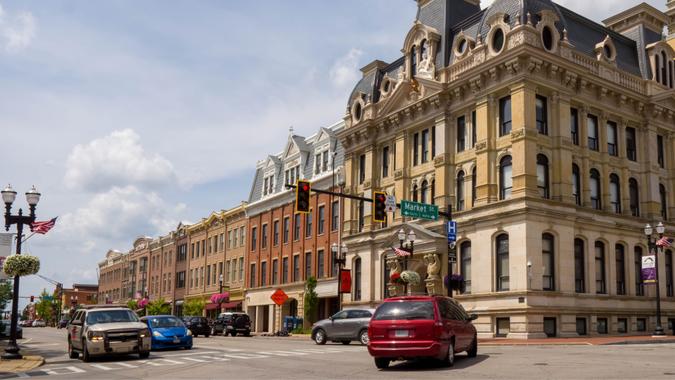
Ohio
- Lower limit of the top 1% (2022 dollars): $508,470
- Lower limit of the top 1% (2025 dollars): $574,523

Oklahoma
- Lower limit of the top 1% (2022 dollars): $502,889
- Lower limit of the top 1% (2025 dollars): $568,217

Oregon
- Lower limit of the top 1% (2022 dollars): $556,741
- Lower limit of the top 1% (2025 dollars): $629,065
For You: 7 Tax Loopholes the Rich Use To Pay Less and Build More Wealth

Pennsylvania
- Lower limit of the top 1% (2022 dollars): $605,333
- Lower limit of the top 1% (2025 dollars): $683,970

Rhode Island
- Lower limit of the top 1% (2022 dollars): $556,885
- Lower limit of the top 1% (2025 dollars): $629,227
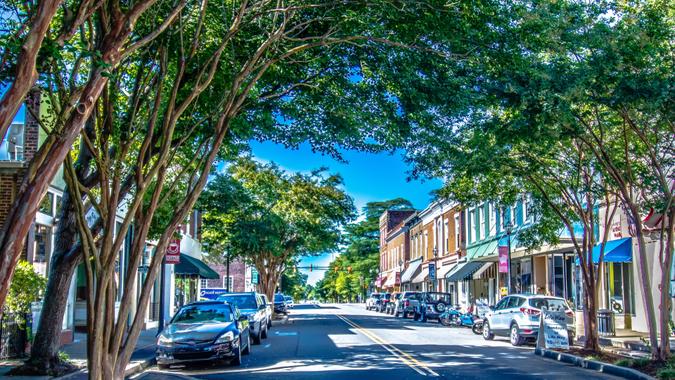
South Carolina
- Lower limit of the top 1% (2022 dollars): $536,054
- Lower limit of the top 1% (2025 dollars): $605,691

South Dakota
- Lower limit of the top 1% (2022 dollars): $634,466
- Lower limit of the top 1% (2025 dollars): $716,887

Tennessee
- Lower limit of the top 1% (2022 dollars): $589,326
- Lower limit of the top 1% (2025 dollars): $665,883
Learn More: 10 Genius Things Warren Buffett Says To Do With Your Money

Texas
- Lower limit of the top 1% (2022 dollars): $686,876
- Lower limit of the top 1% (2025 dollars): $776,105
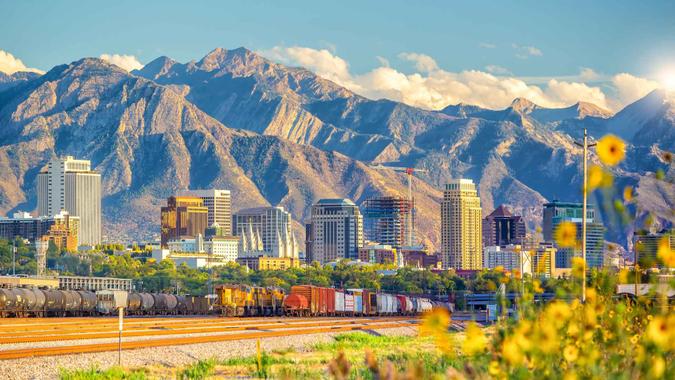
Utah
- Lower limit of the top 1% (2022 dollars): $637,566
- Lower limit of the top 1% (2025 dollars): $720,390

Vermont
- Lower limit of the top 1% (2022 dollars): $538,786
- Lower limit of the top 1% (2025 dollars): $608,778

Virginia
- Lower limit of the top 1% (2022 dollars): $647,948
- Lower limit of the top 1% (2025 dollars): $732,120

Washington
- Lower limit of the top 1% (2022 dollars): $756,256
- Lower limit of the top 1% (2025 dollars): $854,498
That’s Interesting: Warren Buffett Reveals 10 Things Poor People Waste Money On
West Virginia
- Lower limit of the top 1% (2022 dollars): $384,369
- Lower limit of the top 1% (2025 dollars): $434,301
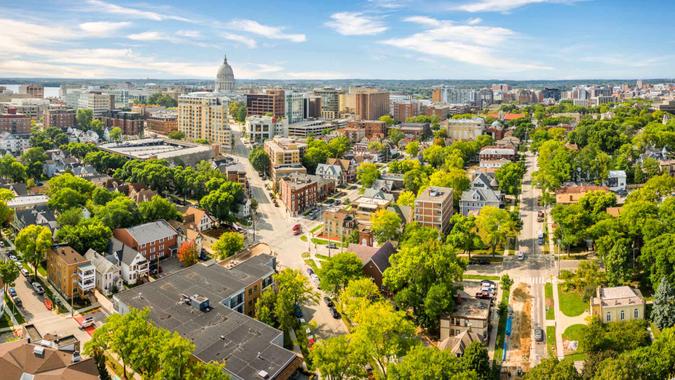
Wisconsin
- Lower limit of the top 1% (2022 dollars): $523,231
- Lower limit of the top 1% (2025 dollars): $591,202
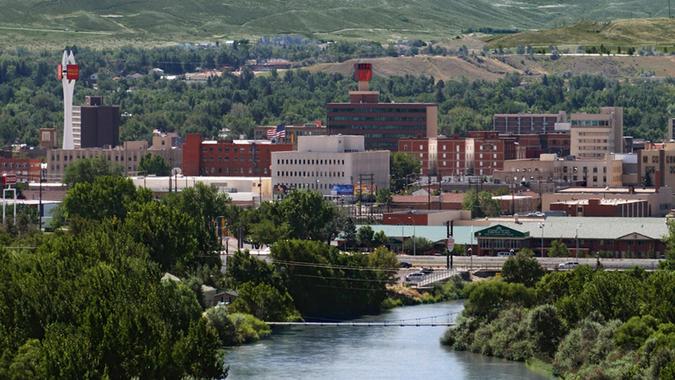
Wyoming
- Lower limit of the top 1% (2022 dollars): $712,186
- Lower limit of the top 1% (2025 dollars): $804,703
Methodology: GOBankingRates looked at Internal Revenue Service data from the 2022 tax season and found each state’s threshold for the top 1% of earners. Once these figures were isolated, GOBankingRates used the Bureau of Labor Statistics CPI inflation calculator to find each figure in 2025 dollars. All data was collected on and is up to date as of Feb. 27, 2025.
More From GOBankingRates
- 5 Used Luxury Cars That Are a Good Investment for Retirees
- 4 Low-Risk Ways To Build Your Savings in 2025
- Inside the $1 Billion Mega Mansions Owned by Tech Billionaires
- 7 Wealth-Building Shortcuts Proven To Add $1K to Your Wallet This Month
This article originally appeared on GOBankingRates.com: How Much You Need To Earn To Be in the Top 1% in Every State
The views and opinions expressed herein are the views and opinions of the author and do not necessarily reflect those of Nasdaq, Inc.

