

A central concern of anyone approaching retirement age is whether or not they have enough money, between savings and Social Security benefits, to last them for their retirement. With the economic uncertainties of the post-pandemic world, knowing just how much you will need — and how long it will last — can be arduous to calculate, especially as cost of living varies from state to state.
Read Next: How Long $1 Million in Retirement Will Last in Every State
Check Out: 4 Low-Risk Ways To Build Your Savings in 2025
GOBankingRates has collated a massive amount of data from the Bureau of Labor Statistics, the Social Security Administration and also collected information related to state-by-state cost of living, all to determine just how long $500,000 in savings (plus Social Security benefits) would last in each of the 50 states.
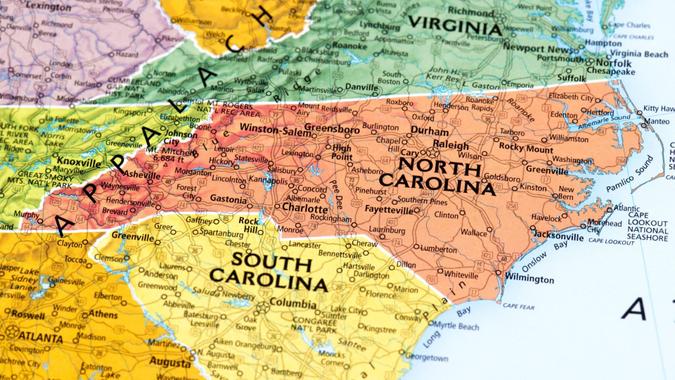
Key Findings
Discover More: How Far $1.5 Million in Retirement Savings Plus Social Security Goes in Every State
Consider This: Here’s the Cost of Living in Every State

1. West Virginia
Find Out: 50 Cheapest Places To Retire Across America

2. Kansas
3. Mississippi

4. Oklahoma

5. Alabama
Read More: The Money You Need To Save Monthly To Retire Comfortably in Every State

6. Missouri (tie)

6. Arkansas (tie)

8. Tennessee

9. Iowa
Try This: America’s 50 Most Expensive Retirement Towns

10. Indiana

11. Georgia

12. North Dakota

13. Michigan (tie)
Discover More: The New Retirement Problem Boomers Are Facing

13. South Dakota (tie)

15. Texas
16. Nebraska

17. Kentucky (tie)
For You: 8 Common Mistakes Retirees Make With Their Social Security Checks
17. New Mexico (tie)

19. Louisiana

20. Montana

21. Ohio (tie)
Trending Now: 5 Southern States Where $750,000 in Retirement Savings Lasts Longest

21. Pennsylvania (tie)
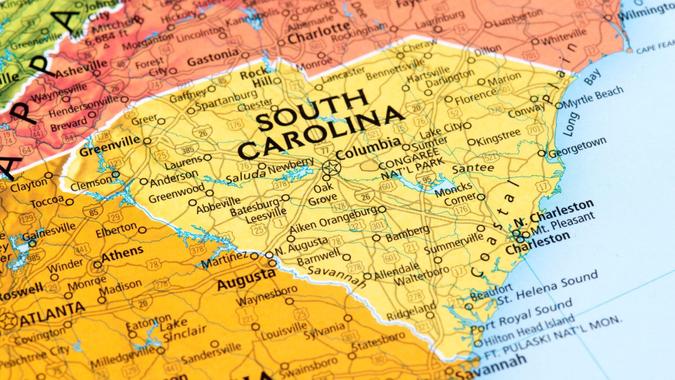
23. South Carolina

24. Minnesota

25. Wyoming
For You: Cutting Out These 9 Expenses Will Save Retirees Over $29,000 a Year
26. Illinois

27. North Carolina

28. Maryland

29. Wisconsin
Be Aware: Frugal Retirees — Steer Clear of These 13 Ultra-Expensive Arizona Cities

30. Nevada

31. Delaware

32. Virginia

33. Idaho
Check Out: 5 Cities You Need To Consider If You’re Retiring in 2025

34. Florida

35. Colorado

36. Utah

37. Oregon
Learn More: America’s 30 Safest and Wealthiest Retirement Towns

38. New Hampshire

39. Connecticut

40. Rhode Island

41. Arizona
Consider This: 21 Affordable Small Cities To Retire on the East Coast

42. Maine

43. Washington

44. Vermont

45. New Jersey
Try This: Avoid This Retirement Savings Mistake That’s Costing Americans Up To $300K

46. Alaska (tie)

46. New York (tie)

48. California

49. Massachusetts
Discover More: 3 Things Retirees Should Sell To Build Their Retirement Savings

50. Hawaii
Methodology: In order to find how long $500,000 will last across the country with Social Security, GOBankingRates first found (1) the national average annual expenditures for people 65 and older, sourced from the Bureau of Labor Statistics’ 2023 Consumer Expenditure Survey data and (2) annual Social Security income as sourced from the Social Security Administration’s December 2024 data. Then, GOBankingRates created (2) state-level annual expenditure estimates by multiplying the national figure by each state’s overall cost-of-living index for 2024 Q3 from the Missouri Economic Research and Information Center. Finally, GOBankingRates found (3) how many years $500,000 will last in each state by dividing $500,000 by each state’s average annual expenditures estimate minus yearly Social Security income. All 50 states were then ranked, with No. 1 being the state where $500,000 and Social Security will last the longest. All data was collected on and is up to date as of Feb. 4, 2025.
More From GOBankingRates
- 5 Luxury Cars That Will Have Massive Price Drops in Spring 2025
- 4 Things You Should Do if You Want To Retire Early
- 7 Wealth-Building Shortcuts Proven To Add $1K to Your Wallet This Month
- 5 Things You Must Do When Your Savings Reach $50,000
This article originally appeared on GOBankingRates.com: How Far $500K in Retirement Savings Plus Social Security Goes in Every State
The views and opinions expressed herein are the views and opinions of the author and do not necessarily reflect those of Nasdaq, Inc.

