Crafting Creative Solutions That Elevate Human Needs
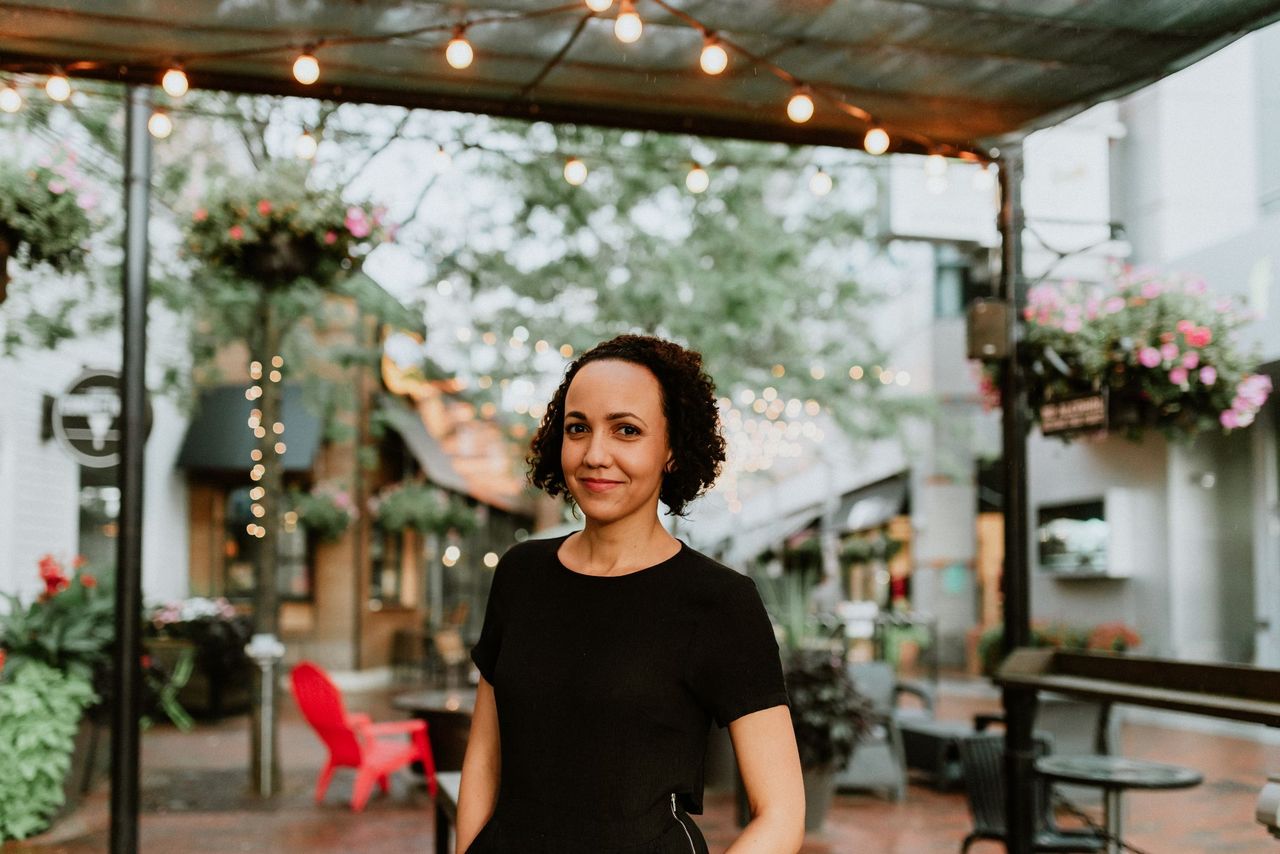
Ashleigh Axios, Co-Owner and Chief Experience Officer at Coforma, is on a mission to build digital services that improve the lives of individuals across healthcare, immigration, and more.
At the age of six, Ashleigh went door to door, selling homemade items to her neighbors. The support she was met with during these childhood endeavors aided in the development of her entrepreneurial mindset, which came in handy when she inevitably faced negative feedback. Today, Ashleigh and her team at Coforma are focused on tackling some of the most crucial issues humanity is facing, such as ensuring Veterans are supported, Democracy is served, and equal access to justice is available.
We asked Ashleigh about the story behind her journey as an entrepreneur, her approach for navigating self-doubt and feelings of discomfort, and how she manifests and embraces her power to step into the most authentic version of herself.
Q: What problem does Coforma solve?
A: Coforma is a remote-first digital services agency that enhances services, crafts creative digital solutions, and builds technology products that improve people’s lives. We focus on some of the most pressing topics of our time, including healthcare, immigration reform, and access to equity and justice. Our team has partnered with historically marginalized communities and helped increase the quality of their healthcare, connected families in crisis at the southern U.S. border, provided greater access to crucial civic tools, and so much more.
Q: Did you always know that you wanted to be an entrepreneur?
A: Not exactly. When I was around six years old, I used to make things, put little handmade price tags on them, and go door to door to my neighbors and sell them. I hadn’t seen any door-to-door salespeople yet and I’ve been told that nobody recommended I do that, so I have to assume this came pretty naturally. In hindsight though, I also think there were supporting conditions for being entrepreneurial, like being in an area where the people were familiar and nice to me, having a sense of pride in what I had to offer, and having the belief or hope that others might value what I had to offer.
Over the years, I’ve also been in less friendly communities and have been occasionally made to believe that what I have to offer isn’t of value or interest to anyone. I think I’m fortunate to be stubborn enough, have received enough support along the way, and found enough community over the years to keep my entrepreneurial spirit alive.
Q: What’s the biggest misconception that others have around entrepreneurship?
A: I’ve heard from some that they want to start their own business because they’re tired of answering to others. While I suspect that’s a common reason to start on this journey, it’s based on some faulty assumptions. In reality, there’s a great deal of answering to others involved in starting and running one’s own business.
My business partner, Eduardo Ortiz, and I are accountable to clients, businesses we collaborate with, vendors, the IRS and other governing entities, financial institutions, employees who count on us for their livelihood, and ourselves. In fact, business owners are expected to uphold and maintain a high standard, including legal and ethical conduct, reporting and communication, and broad stewardship and oversight. Entrepreneurs are judged on their individual performance. But even more important than that, entrepreneurs are accountable for a complex web of responsibilities to a varied group of stakeholders.
Photo credit: Lawrence Jackson for Offscreen Magazine
Q: Have you struggled with self doubt as an entrepreneur? How do you navigate this?
A: I have struggled with self doubt along the way and believe it’s natural for many entrepreneurs. What’s important to me isn’t what I feel when I’m in a time of growth and evolution—because there will likely be uncomfortable and strenuous moments—but rather that I keep focused on the impact I’d like to make, stay humble, and continue to do the work.
If one’s top priority is comfort, I don’t recommend starting or growing a business. It’s helpful to be realistic going into a journey like this that it will be challenging and will take building new skills and adapting one’s mindset along the way. Knowing that it’s more of a cross-terrain marathon than a track-and-field sprint, can make a big difference in creating and maintaining the fortitude necessary for the journey. For me, it’s also a journey that’s made easier with a strong team and community who support me as a business owner.
Q: Has your definition of success evolved throughout your journey as a business owner?
A: I primarily measure success by the positive impact of our work on the communities who rely on it, the positive impact of our collaboration on the clients who partner with us, and the positive impact of our business on the lives of our employees. Each of these layers of experience is incredibly important to me and has grown and matured from lessons over the past few roles I’ve had. It’s essential to me that we stay human-centered, spotlighting the diverse needs of people, not just in the products and services we craft for communities, but also in how we work with others and how we operate as a business.
Q: Have you discovered any underappreciated leadership traits or misconceptions around leadership?
A: Unfortunately, most business cultures I’ve been a part of have overvalued the traditionally masculine-labeled traits like strength, assertiveness, risk-taking, competitiveness, and undervalued the traits traditionally associated with femininity like flexibility, nurturing, and patience. Since just about everyone at Coforma has spent time in other workplaces, this is something we have to continually work to not bring in from society or those other environments. It’s difficult and requires ongoing work from the whole team. I’m particularly struck by how even in creative businesses that want to have a culture that embraces play, their leaders are seldom recognized for bringing and instilling these traits.

Q: What would you tell your younger self if you were to start your entrepreneurial journey all over again?
It’s necessary for women and fems to embrace our power as leaders―especially queer, BIPOC, and other historically disenfranchised women and fems. We’re often socialized to feel powerless or perceive ourselves as less than powerful despite what’s inherent within each of us. That can become such a blocker. The quote by Audre Lorde, “When I dare to be powerful, to use my strength in the service of my vision, then it becomes less and less important whether I am afraid” speaks to my truths. Her words remind me that when we consciously choose to move past the faulty standards cast upon us and instead use our skills to achieve our goals, we can also negate our fears, recognize, and own the power already within us. I want that for all versions of myself and for each of us.
Ashleigh is a member of Dreamers & Doers, a private collective that amplifies the entrepreneurial pursuits of extraordinary women through thought leadership opportunities, authentic connection, and access. Learn more about Dreamers & Doers and subscribe to their monthly The Digest for top entrepreneurial and career resources.