

You’ve decided that you want to buy a house, but you’re not sure where to start.
Be Aware: 7 Worst States To Buy Property in the Next 5 Years, According to Real Estate Agents
Read Next: Become a Real Estate Investor for Just $1K Using This Bezos-Backed Startup
Buying a home can be a really daunting and competitive process. It’s important to know what you need — and want — before you start submitting offers where you’re on the hook for hundreds of thousands of dollars.

Know Your Why
Sometimes, we can get caught up in the feeling that we should do something, without asking whether we want to. Are you buying a home because you feel like you should, or do you have some money saved up and want to make an investment? What are the prices in the area where you want to buy? Is it more affordable than renting? If no, why is it so important to own a home?
If your reasons are based on the fact that you have the money to invest and feel it would be a life improvement, then you’re on the right track.
Once you’ve decided you’re buying a home for the right reasons, make a list of what you’re looking for in a home. Think about what you need to have versus what would be nice to have. What is make or break to you? Know that before you start looking for a home.
Find Out: 10 Fastest-Cooling Housing Markets in the U.S. — 6 Are in Florida
Learn More: In Less Than a Year, You Might Not Be Able To Afford To Live in These 6 US Housing Markets
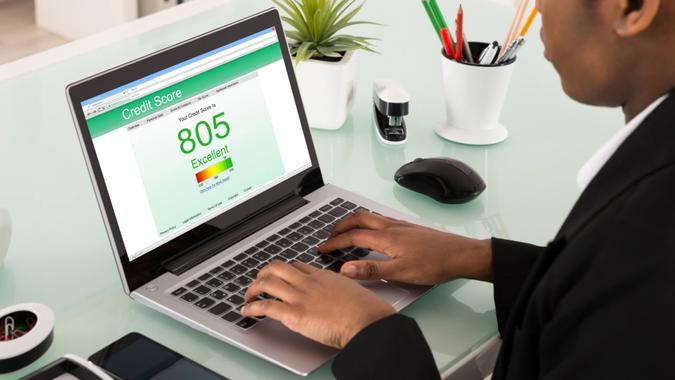
Check Your Credit Score
Your credit score plays a big role in determining whether mortgage lenders will give you money and how much they’ll lend to you. The better your credit history and the higher your score, the better chances you’ll get a mortgage.
A conventional mortgage will typically require a credit score of 620 or higher. If your credit score is below that, take steps to build it up. You can make a budget to pay down debt or apply for credit cards that are designed to help build up your credit.
You can check your credit score from each of the three major credit agencies — Equifax, Experian and TransUnion — for free once a year. Your bank or credit card company might offer free access to your score or credit report as well.
Explore More: Cheapest Places To Buy a Home in Every State
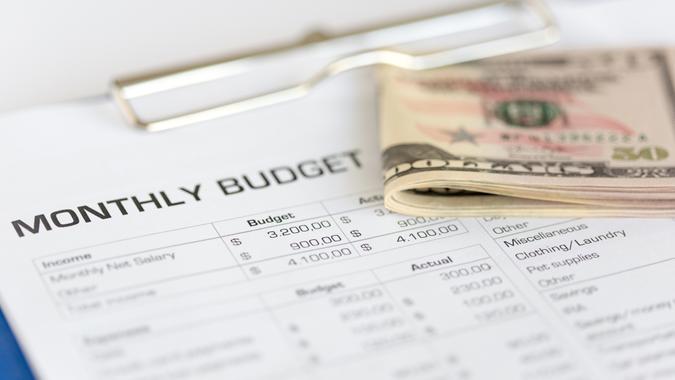
Make a Budget
Just like every other big financial undertaking, making a budget is key. Experts recommend spending around 30% of your monthly income on housing costs. This includes your mortgage, which is not only your principal balance (the cost of your home) but the interest rate. You’ll also need to pay property taxes, which vary based on where your home is located and how much it’s worth. Plus, you’ll have to cover the cost of your homeowners insurance every month.
There are additional costs at the time of purchase. You’ll need to start saving for a down payment. For a conventional loan, that works out to about 3% of the home’s value. Then, there are closing costs, which work out to be between 3% and 6% of a home’s cost.
Knowing all of the costs will help you determine how much you are comfortable spending and how to prepare to pay for it.

Get Preapproved for a Mortgage
You’ll need to get preapproved for a mortgage so you can show sellers that you have capital lined up to buy a home. To do this, you’ll need to meet with a lender. Ask friends and family who have bought homes for lender recommendations and visit at least three to get the lowest possible interest rate.
You’ll also want this to be a person you feel comfortable with, as they’ll be instrumental in your homebuying process. Once you’ve settled on a lender, ask whether there are any assistance programs for first-time homebuyers that can help lower your mortgage payment.
One thing to know: Just because a lender approves you for a higher mortgage than you’ve budgeted for doesn’t mean you should look for more expensive homes. A higher mortgage means a higher mortgage payment per month. Stick to the budget you made before you met with a lender, and don’t let a higher mortgage approval sway you.
Another note: Preapproved is not the same as prequalified. Prequalified means that you have given a lender information on your finances and the lender has given you an estimate on how much you might get approved for. Preapproval means the lender has investigated your finances (i.e., done a credit check, confirmed employment and verified assets) and is giving you approval for a loan based on their findings.

Find a Real Estate Agent
Similar to a lender, you want to shop around to find a real estate agent who you really feel comfortable with. The agent will be representing you as a buyer, so you want the agent to fully grasp your needs. Look for someone with a wealth of experience who is honest with you from the start of the process.
Check Out: 3 Florida Cities Where You Can Buy Homes For $100,000 or Less
See Lots of Homes
Though you might find your dream home right off the bat, it’s very unlikely. Make sure you see multiple homes so you can get a feel for what’s available in your price range.
Don’t feel like you have to settle right away. After seeing 10 or so homes, you’ll get an idea of what you might have to give up on your “nice to have” list to get everything you had on your “need” list.
Once you’ve seen a plethora of homes, you’ll finally find one you’ll want to make an offer on, and all of these steps will be worth it.
More From GOBankingRates
- 20 Best Cities Where You Can Buy a House for Under $100K
- 9 Best Items To Buy at BJ's Wholesale Club Now for the Second Half of 2024 To Save Big Money
- 5 Genius Things People With Healthy Savings Do
- 5 Myths About Debt That Nobody Should Believe in 2024
This article originally appeared on GOBankingRates.com: 6 Things You Must Do Before You Start Looking For a New Home
The views and opinions expressed herein are the views and opinions of the author and do not necessarily reflect those of Nasdaq, Inc.

