
Retirement Budgeting | Definition, Preparation, & Creating One
What Is Retirement Budgeting?
Planning for retirement is crucial to ensure financial stability and maintain the desired lifestyle in your golden years.
A well-prepared retirement plan helps you avoid financial stress, allowing you to enjoy your retirement without worrying about money.
Retirement budgeting aims to help you achieve financial independence, cover your living expenses, and fulfill your retirement aspirations.
By carefully managing your income and expenses, you can ensure a comfortable retirement and potentially leave a financial legacy for your loved ones.
Preparing for Retirement Budgeting
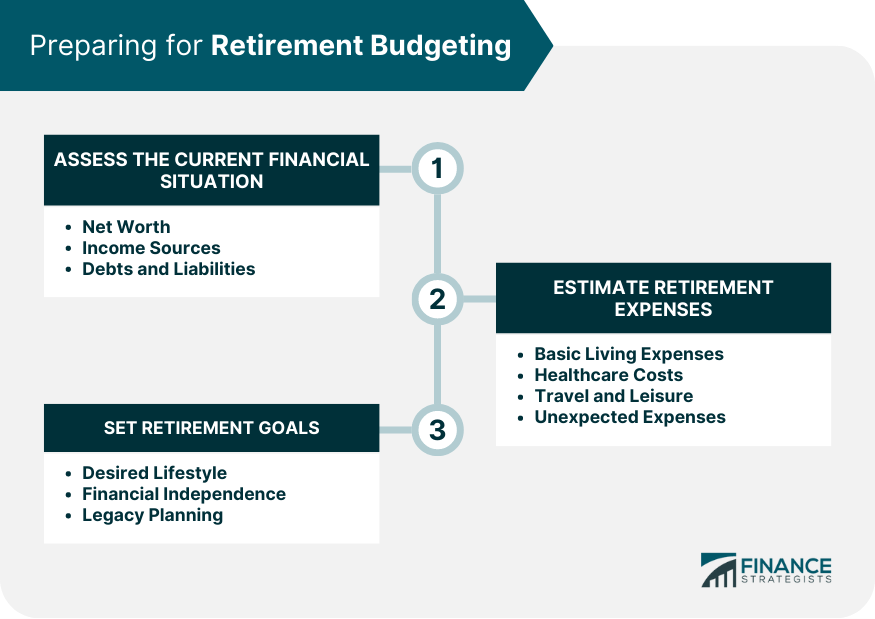
Assess the Current Financial Situation
Net Worth
Calculating your net worth provides a snapshot of your current financial health. Your net worth is the difference between your assets and liabilities, giving you an idea of how much wealth you have accumulated thus far.
Income Sources
Identifying your current income sources is essential to determine how much you'll need in retirement. Consider your salary, rental income, dividends, and other sources that contribute to your earnings.
Debts and Liabilities
Understanding your debts and liabilities is crucial for effective retirement planning. Paying off high-interest debts before retirement can reduce financial stress and increase your disposable income during retirement.
Estimate Retirement Expenses
Basic Living Expenses
Your basic living expenses include housing, food, utilities, and transportation. These expenses may change in retirement, depending on factors such as downsizing, moving to a more affordable location, or having a paid-off mortgage.
Healthcare Costs
Healthcare costs often rise as you age. It's essential to plan for potential medical expenses, including insurance premiums, out-of-pocket costs, and long-term care to ensure you have adequate coverage in retirement.
Travel and Leisure
Your retirement budget should account for your travel and leisure expenses. These costs can vary significantly depending on your desired lifestyle and interests, so it's essential to estimate them accurately.
Unexpected Expenses
Unforeseen expenses, such as home repairs or medical emergencies, can strain your retirement budget. Establishing an emergency fund can help you manage these unexpected costs without jeopardizing your financial stability.
Set Retirement Goals
Desired Lifestyle
Your retirement goals should reflect your desired lifestyle, including your preferred living arrangements, travel plans, and hobbies. These aspirations will influence your retirement budget and help determine your required savings.
Financial Independence
Financial independence in retirement means having sufficient income and savings to cover your expenses without relying on full-time employment.
Establishing a clear goal for financial independence can help you plan and prioritize your retirement budgeting efforts.
Legacy Planning
Legacy planning involves deciding how you want to distribute your wealth after your passing. This can include leaving an inheritance for your loved ones or donating to charitable organizations, which should be factored into your retirement budget.
How to Create a Retirement Budget
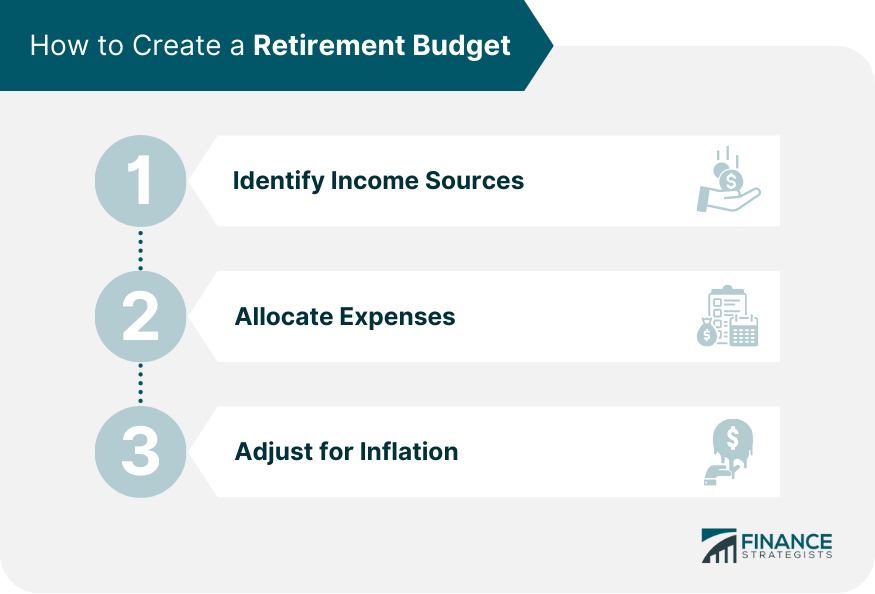
Identify Income Sources
Social Security Benefits
Social Security benefits are a critical income source for many retirees. Understanding how much you can expect to receive and when you can start collecting benefits will help you plan your retirement budget more effectively.
Pensions
Pensions can provide a reliable income stream during retirement. If you have a pension plan, it's essential to know the terms, payout options, and any potential tax implications to maximize your benefits.
Investments and Savings
Investments and savings, such as 401(k)s, IRAs, and brokerage accounts, play a significant role in financing your retirement. Developing a withdrawal strategy can help you maintain a healthy balance between preserving your assets and ensuring sufficient income.
Financial Advisor Zack Cameron, MSc, emphasizes, "Invest as much money as possible in the stock market and defer payments as far off into the future as possible." This approach helps maximize investment potential.
He further advises, "Avoid paying lump sums of money upfront as this negates the ability to invest in the stock market." By deferring large payments, you can maintain liquidity and allocate more capital to investment opportunities, ensuring long-term growth.
Part-Time Work or Business Income
Some retirees choose to work part-time or run a business to supplement their retirement income. If you plan to continue working, factor this additional income into your retirement budget.
Allocate Expenses
Fixed Expenses
Housing
Housing is a major expense in retirement. Your budget should account for mortgage payments or rent, property taxes, maintenance, and homeowners or renters insurance to ensure you can afford your desired living arrangements.
Utilities
Utilities, such as electricity, water, and gas, are ongoing expenses in retirement. Budgeting for these costs can help you maintain a comfortable lifestyle while keeping your expenses in check.
Insurance
Insurance coverage, including life, health, and property insurance, protects your assets and provides financial security. Make sure to include these costs in your retirement budget to maintain adequate protection.
Taxes
Even in retirement, you may be subject to taxes on income, property, and investments. Proper tax planning can help you minimize your tax burden and optimize your retirement budget.
Discretionary Expenses
Travel
Travel can be a significant part of your retirement lifestyle. Allocating funds for vacations, visiting family, or exploring new destinations will ensure you can enjoy your retirement adventures without financial strain.
Hobbies
Pursuing hobbies and interests can enrich your retirement experience. Set aside funds for activities you enjoy, such as golf, photography, or art classes, to maintain a fulfilling lifestyle.
Dining Out
Dining out can be a pleasurable aspect of retirement. Budgeting for restaurant visits and social outings allows you to indulge in culinary experiences without compromising your financial stability.
Charitable Giving
If you're passionate about philanthropy, include charitable donations in your retirement budget. This allows you to contribute to causes that matter to you while maintaining a balanced financial plan.
Healthcare Expenses
Insurance Premiums
Health insurance premiums can be a significant expense in retirement. Ensure you have sufficient coverage by budgeting for Medicare, supplemental insurance, or private health insurance costs.
Out-of-Pocket Costs
Out-of-pocket healthcare costs, such as copayments, deductibles, and prescription medications, can add up quickly. Incorporate these expenses into your retirement budget to avoid unexpected financial strain.
Long-Term Care
Long-term care expenses, such as assisted living or nursing home care, can be costly. Planning for these costs in your retirement budget can help protect your assets and provide peace of mind.
Adjust for Inflation
Importance of Inflation Considerations
Inflation can erode your purchasing power over time, making it essential to account for its impact on your retirement budget. By adjusting your expenses and income for inflation, you can maintain your desired lifestyle throughout retirement.
Strategies to Account for Inflation
Incorporating inflation-adjusted investments, such as Treasury Inflation-Protected Securities (TIPS), can help protect your retirement savings from inflation. Additionally, periodically reviewing and adjusting your budget can ensure you stay on track with your financial goals.
Monitoring and Adjusting the Retirement Budget
Regular Reviews and Updates
Annual or Semi-Annual Reviews
Conducting annual or semi-annual reviews of your retirement budget helps ensure your financial plan remains on track.
Regular assessments can identify areas that require adjustment, allowing you to maintain your desired lifestyle and financial security.
Life Changes and Their Impact on the Budget
Significant life events, such as marriage, divorce, or the loss of a spouse, can affect your retirement budget.
Reassessing your financial plan during these times can help you adapt to new circumstances and preserve your financial stability.
Contingency Planning
Emergency Fund
An emergency fund provides a financial safety net for unexpected expenses, such as medical emergencies or urgent home repairs.
Building and maintaining an emergency fund can help you manage unforeseen costs without jeopardizing your retirement budget.
Long-Term Care Insurance
Long-term care insurance can help cover the costs of assisted living or nursing home care, protecting your assets and providing peace of mind.
Evaluating your need for long-term care insurance and incorporating it into your retirement budget can help ensure adequate coverage.
Strategies for Market Downturns
Market downturns can impact your retirement savings and investment income.
Developing strategies, such as maintaining a diversified portfolio and adjusting your withdrawal rate, can help you navigate market fluctuations and protect your retirement budget.
Seeking Professional Advice
Financial Advisors and Planners
Financial advisors and planners can provide valuable guidance in developing and managing your retirement budget. They can help you navigate complex financial matters, optimize your investments, and ensure you're on track to meet your retirement goals.
Tax Planning
Effective tax planning can minimize your tax burden and maximize your retirement income.
Consulting with a tax professional can help you identify tax-saving strategies and ensure compliance with applicable tax laws.
Estate Planning
Estate planning involves preparing for the distribution of your assets after your passing.
Working with an estate planning professional can help you create a plan that meets your legacy goals while minimizing potential tax liabilities and legal complications.
Final Thoughts
Ongoing budget management is crucial for maintaining financial stability and peace of mind in retirement.
Regularly reviewing and adjusting your retirement budget can help you adapt to changing circumstances and ensure you can enjoy your golden years worry-free.
By diligently planning, monitoring, and adjusting your retirement budget, you can achieve financial security and peace of mind.
This allows you to focus on enjoying your retirement, pursuing your passions, and spending quality time with loved ones.
Don't wait to start planning for your retirement. Reach out to a professional retirement planning service today to begin creating a comprehensive retirement budget that will ensure your financial security and peace of mind throughout your golden years.
